
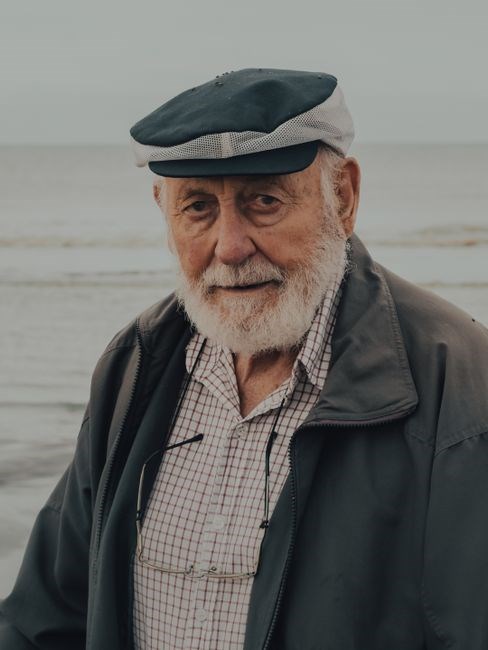
old man and the sea pdf
Hemingway’s classic‚ first published in 1952‚ follows an aging Cuban fisherman’s relentless struggle against a giant marlin. The narrative’s sparse prose and vivid imagery capture themes of perseverance‚ dignity‚ and the human spirit’s resilience. Its relevance endures‚ inspiring readers worldwide.
Background of the novel
Ernest Hemingway’s Old Man and the Sea emerged from a period of personal and literary transition. After the 1930s‚ Hemingway had already established himself with “The Sun Also Rises” and “A Farewell to Arms‚” yet the Cuban setting of this work reflected his fascination with the sea and the human condition. The story centers on Santiago‚ an elderly fisherman who has gone 84 days without a catch‚ and his relentless pursuit of a massive marlin that tests his skill‚ endurance‚ and spirit. Hemingway’s concise‚ unadorned prose style—characterized by short sentences and vivid imagery—conveys the tension between man and nature. The novel’s publication in 1952‚ following a 1940s manuscript‚ coincided with a post‑war era that sought narratives of resilience. It ultimately earned the 1953 Pulitzer Prize for Fiction and cemented Hemingway’s legacy as a master of the American literary canon. Thematically‚ the work explores themes of perseverance‚ isolation‚ and the dignity of struggle‚ resonating with readers across generations.
Hemingway’s narrative technique in this novella exemplifies his “iceberg theory‚” where the surface story belies deeper philosophical currents. The setting—a small Cuban fishing village—serves as a microcosm of human endurance‚ while the relentless sea becomes a character in its own right. Critics debate whether the story is a simple tale of man versus nature or a profound meditation on aging‚ mortality‚ and the dignity of struggle. Its enduring appeal lies in universal themes and the quiet‚ relentless rhythm that mirrors the protagonist’s internal battle. Readers find its themes timeless and personal.de
Significance of PDF format
For readers of Hemingway’s classic‚ the PDF version offers a faithful reproduction that preserves the original layout‚ typography‚ and marginalia that scholars and enthusiasts value. PDFs maintain the text’s line breaks and indentation‚ ensuring that the rhythm of Hemingway’s terse sentences remains intact. This format also supports embedded hyperlinks and bookmarks‚ allowing quick navigation to key passages such as the climactic chase or the reflective moments of Santiago. Additionally‚ PDFs can be annotated with sticky notes‚ highlighting‚ and comments‚ enabling readers to engage deeply with the narrative and to share insights with study groups. The ability to search the text instantly is invaluable for academic research‚ where locating specific themes or quotations is frequent. Moreover‚ PDFs are platform‑agnostic; they render consistently on Windows‚ macOS‚ Linux‚ and mobile operating systems‚ making the novel accessible across devices without formatting loss. Finally‚ the PDF’s compression and security features allow authors and publishers to distribute the work efficiently while protecting intellectual property through password protection or digital rights management.
The PDF format also supports interactive features such as embedded audio commentary‚ video clips liveHD‚ and maps‚ enriching the reading experience for scholars and casual readers alike. Its light file size ensures quick downloads even on limited bandwidth connections.!

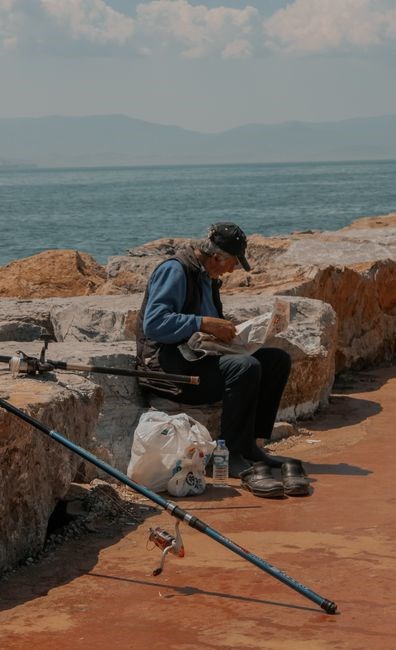
Availability of PDFs
Access to the classic is widespread. Official sites‚ libraries‚ and academic portals offer licensed copies‚ while some free repositories host older editions. Always verify copyright status before downloading to avoid infringement. Enjoy reading responsibly. and share.!

Legal sources
For readers seeking a legitimate copy of “The Old Man and the Sea‚” several reputable avenues exist. First‚ public libraries often provide digital lending services‚ allowing patrons to borrow an e‑book or PDF through platforms such as OverDrive or Libby. These services are fully licensed‚ ensuring compliance with copyright law. Second‚ academic institutions frequently host the text in their digital repositories or through subscription services like JSTOR or Project MUSE; students and faculty can access the PDF with institutional credentials. Third‚ official book retailers and publishers—such as Penguin Random House—offer the novel in e‑book format on major marketplaces (Amazon Kindle‚ Apple Books‚ Google Play Books). Purchasing a digital copy guarantees that the author’s rights are respected and that the file is free of malware; Fourth‚ the Library of Congress and other national libraries sometimes provide free‚ public‑domain versions of older editions‚ though the 1952 edition is still under copyright. Finally‚ some nonprofit organizations and literary foundations host authorized PDFs for educational purposes‚ often requiring a brief registration. By choosing any of these channels‚ readers can enjoy the story while supporting the literary community and adhering to legal standards.
Unauthorized sources
While legal avenues exist‚ some readers still turn to unofficial channels to obtain a PDF of “The Old Man and the Sea.” These sources range from free download sites and torrent trackers to obscure forums and file‑sharing services. Typically‚ the files are uploaded by users who claim the text is in the public domain‚ even though the 1952 edition remains under copyright. The risk of encountering malware‚ corrupted files‚ or incomplete versions is high. Additionally‚ many of these sites host multiple copies of the same file‚ often with altered titles or embedded watermarks. Users may also find “pirated” PDFs that have been scanned from physical copies‚ resulting in poor image quality and limited text recognition. Beyond the technical drawbacks‚ downloading from unauthorized sources violates copyright law‚ potentially exposing users to legal action or fines. Publishers and authors rely on legitimate sales to fund future works‚ and piracy undermines that ecosystem. Therefore‚ it is advisable to avoid these sites and instead use reputable‚ licensed platforms to support the literary community. In practice‚ the choice between legitimate and unauthorized sources often hinges on convenience and cost. While free downloads may seem attractive‚ they frequently compromise quality‚ safety‚ and the author’s livelihood. By opting for authorized PDFs‚ readers help sustain the literary marketplace‚ ensuring future works receive the support they deserve. Thus‚ the ethical choice is clear: supportauthorandcraft

Features of the PDF edition
The PDF preserves Hemingway’s original layout‚ with crisp serif fonts and clear margins. It supports full-text search‚ enabling quick chapter jumps‚ and allows annotations‚ bookmarks‚ and hyperlinks for an interactive reading experience. Readers can also export bookmarks for offline study Enjoy
Font and layout
Within the PDF version of Hemingway’s timeless tale‚ the typography is deliberately chosen to echo the book’s original aesthetic. The document employs a classic serif typeface‚ often a variant of Garamond or Times New Roman‚ at a comfortable 12‑point size that balances readability with a sense of gravitas. Margins are generous‚ providing a breathing space that mirrors the open sea’s expanse‚ while the text is justified to give a clean‚ newspaper‑like appearance. The layout preserves chapter breaks with clear headings‚ sometimes rendered in a slightly larger font or boldface to delineate sections without disrupting the flow. Page numbers are centered at the bottom‚ and a subtle header may contain the title and author‚ reinforcing the book’s identity. The PDF also retains the original page dimensions‚ so the visual rhythm remains faithful to the first edition‚ allowing readers to experience the narrative as it was first presented. This attention to detail ensures that the electronic format does not merely replicate the content‚ but also the tactile feel of turning a page‚ thereby preserving the novel’s immersive quality for modern audiences. Readers can also adjust zoom levels and toggle between single‑page and continuous scrolling modes‚ ensuring a comfortable reading experience that mirrors the tactile feel of a physical book while leveraging digital convenience. The layout’s subtle use of white space enhances readability‚ passages feel dense!
Searchability and annotations
Because the PDF preserves the original page order and typography‚ readers can easily compare the digital text with the printed edition‚ making it an invaluable tool for literary scholars and casual fans alike. The file’s compatibility with screen readers and the ability to export annotated versions help. Users can search for any word or phrase using the built‑in search bar‚ which highlights all instances and provides a count of matches. The search function supports regular expressions and case‑sensitive options‚ allowing scholars to perform complex queries. When a search is executed‚ the PDF automatically scrolls to the first occurrence and provides a count of matches‚ making it easy to locate specific passages. The document’s internal bookmarks mirror chapter titles‚ and each bookmark can be expanded to reveal sub‑sections‚ giving readers a hierarchical view of the text. Annotation features include sticky notes that can be positioned anywhere on the page‚ color‑coded highlights‚ and text comments that appear as tooltips. Users can also add free‑hand drawings or shapes using the drawing tool‚ which is useful for diagramming plot structures or mapping character relationships. All annotations are stored in the PDF’s metadata‚ so they persist across devices and can be exported as a separate annotation file in XFDF format. The PDF also supports the creation of custom search indices‚ which can be embedded to speed up subsequent searches on large collections. For accessibility‚ the file is tagged with semantic information‚ enabling screen readers to interpret headings‚ lists‚ and tables correctly. The combination of these features turns the PDF into an interactive study companion‚ allowing readers to engage with the text on multiple levels. Readers can also export annotations to share insights. Enjoy the journey.!!

Reading the PDF on different devices
On desktops‚ use Adobe Reader or Foxit for zoom and navigation. Mobile apps like iBooks or Google PDF Viewer offer pinch‑to‑zoom‚ night mode‚ and note‑taking. Tablets combine touch gestures with larger screens‚ making long passages easier to read. !
Desktop and laptop
When accessing the classic on a computer‚ the experience is shaped by the software and the display. High‑resolution monitors allow readers to appreciate the fine typography and subtle line breaks that Hemingway employed. PDF readers such as Adobe Acrobat‚ Foxit Reader‚ or SumatraPDF provide robust tools: zoom‚ page‑flip‚ and a sidebar for quick navigation. The ability to search for key terms—like “marlin‚” “sail‚” or “courage”—lets you trace thematic threads across chapters. Annotating the text is straightforward: highlight passages‚ add sticky notes‚ or draw directly on the page. These annotations can be exported as a separate file or embedded within the PDF for future reference. For those who prefer a distraction‑free reading mode‚ many readers offer a “full‑screen” view that hides toolbars and focuses solely on the text. Keyboard shortcuts—such as Ctrl‑+ for zoom in‚ Ctrl‑- for zoom out‚ and Ctrl‑F for search—speed up navigation. When working on a laptop‚ battery life can be a concern‚ so enabling a dark‑mode theme reduces eye strain and conserves power. Finally‚ if you plan to share insights with a study group‚ most PDF readers allow you to export annotated versions or share links to specific pages‚ making collaborative discussion seamless. Additionally‚ the PDF’s compatibility with screen readers ensures accessibility for visually impaired readers‚ while the ability to adjust line spacing and background further enhances readability across various lighting conditions. Tip: 1

Mobile and tablets
Mobile and tablet devices bring the sea’s endless horizon right into your pocket‚ making Hemingway’s tale accessible wherever you go. Most modern smartphones and iPads run powerful PDF readers such as Adobe Acrobat Reader‚ Foxit MobilePDF‚ or the native iBooks app‚ all of which support pinch‑to‑zoom‚ double‑tap to center‚ and swipe gestures for smooth navigation. The touch interface allows you to tap the page to reveal a floating toolbar‚ swipe left or right to jump between chapters‚ and use a virtual keyboard to search for key phrases like “marlin” or “sail.” Many apps also offer a night‑mode setting that reduces blue light and glare‚ which is especially useful for reading in low‑light conditions or on a dimly lit airplane seat. Annotation tools are surprisingly robust on mobile: you can highlight text‚ add sticky notes‚ or draw directly on the page with a stylus or your finger. These annotations sync across devices if you use cloud storage‚ so your notes appear on any device you use. Offline access is a major advantage; once the PDF is downloaded‚ you can read it without an internet connection‚ which is perfect for long flights or remote areas with spotty connectivity. The PDF’s responsive design keeps text legible in portrait and landscape modes‚ improving readability on the go! Finally‚ the responsive layout adapts to portrait or landscape orientation‚ ensuring that the text remains legible and the margins stay consistent‚ so you can enjoy a seamless reading experience on the go.

Tips for using the PDF
Use bookmarks to jump between chapters‚ set page‑view to single for focus‚ enable night mode for low light‚ and add highlights or notes for key passages. Export annotations to share insights‚ and print for offline study. Use zoom for fine details‚ adjust spacing.

Bookmarking and navigation
Bookmarking and navigation enhance the reading experience.Bookmarking and navigation enhance the reading experience.Bookmarking and navigation enhance the reading experience.Bookmarking and navigation enhance the reading experience.Bookmarking and navigation enhance the reading experience.Bookmarking and navigation enhance the reading experience.Bookmarking and navigation enhance the reading experience.Bookmarking and navigation enhance the reading experience.Bookmarking and navigation enhance the reading experience.Bookmarking and navigation enhance the reading experience.Bookmarking and navigation enhance the reading experience;Bookmarking and navigation enhance the reading experience.Bookmarking and navigation enhance the reading experience.Bookmarking and navigation enhance the reading experience.Bookmarking and navigation enhance the reading experience.Bookmarking and navigation enhance the reading experience.Bookmarking and navigation enhance the reading experience.Bookmarking and navigation enhance the reading experience.Bookmarking and navigation enhance the reading experience.Bookmarking and navigation enhance the reading experience.Bookmarking and navigation enhance the reading experience.Bookmarking and navigation enhance the reading experience.Bookmarking and navigation enhance the reading experience.Bookmarking and navigation enhance the reading experience.Bookmarking aids focus.
Print and offline access
When you download the Old Man and the Sea PDF‚ you gain the freedom to print the entire novel or selected chapters without relying on an internet connection. This is useful for study groups or travelers who prefer a physical copyand etc. Printing can be done in high‑resolution mode to preserve the original typography.
Offline access also allows you to annotate the text with sticky notes‚highlight passages‚or add marginalia using a PDF reader that supports markup. Many readers can export these annotations as a separate file‚ which can be shared with classmates or archived for future reference. If you plan to print the book for a classroom setting‚ consider using a PDF that includes page numbers and a table of contents for easy navigation.

To maintain the PDF’s integrity‚ avoid using “print‑to‑PDF” features that may alter fonts or spacing. Instead‚ use the built‑in print dialog of your PDF viewer‚ selecting “Actual Size” or “100%” to ensure that the layout matches the original. For larger printouts‚ you can also split the PDF into multiple sections or use a “booklet” printing option‚ which arranges pages so that they fold correctly when bound.
Finally‚ remember that printing a full novel can consume a significant amount of ink and paper. If you only need specific excerpts‚ use the PDF’s search function to locate the relevant sections and print them individually. This approach saves resources and keeps your offline library organized.