
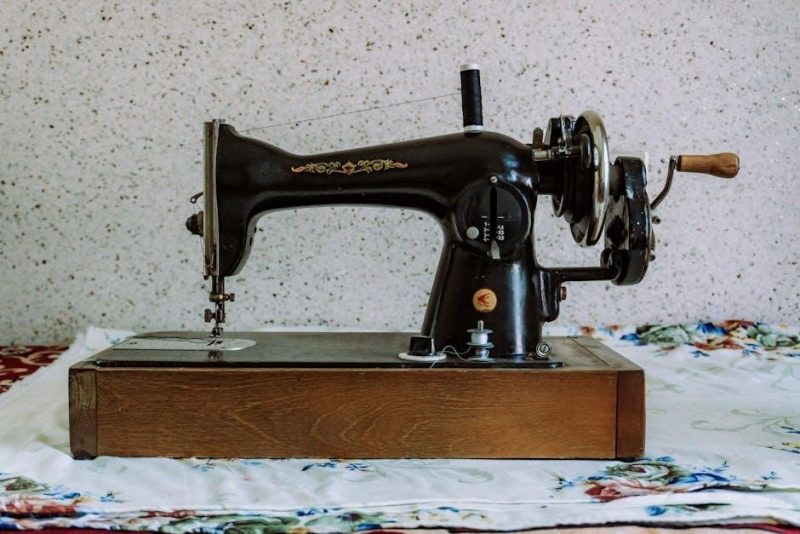
singer stylist 7258 manual
Lost your Singer Stylist 7258 manual? No stress! Find a free, downloadable PDF guide to get your sewing machine back in perfect working order. Let's sew!
Singer Stylist 7258 Manual: A Comprehensive Overview
This overview details resources for the Singer Stylist 7258‚ including instruction‚ service‚ and quick start manuals available in PDF format for download.
The Singer Stylist 7258 is a popular‚ affordable sewing machine designed for both beginners and intermediate users. It boasts a range of built-in stitches and user-friendly features‚ making it versatile for various sewing projects. However‚ like all machines‚ understanding its operation and maintenance is crucial for optimal performance.
Access to comprehensive documentation‚ including the instruction manual‚ is paramount. Several resources exist‚ offering both original and reprinted manuals in PDF format. These manuals detail everything from initial setup and threading to stitch selection and troubleshooting. Notably‚ a service manual for the closely related Model 7285Q is also available‚ providing in-depth technical information for repairs.
Understanding the machine’s components and potential issues‚ as outlined in these manuals‚ empowers users to maintain and potentially repair their Singer 7258‚ extending its lifespan and ensuring consistent sewing quality.
Availability of Manuals & Documentation
Singer provides several manual options for the Stylist 7258. Official resources include instruction manuals ranging from 61 to 84 pages‚ alongside a quick start guide. These are often available for download directly from the Singer website. However‚ numerous third-party websites also offer reprinted versions of the instruction manual in convenient PDF format.
For more technical repairs‚ a dedicated service manual exists for the similar Model 7285Q (37 pages)‚ offering detailed diagrams and troubleshooting steps. These resources cover everything from basic operation to advanced maintenance. Finding these manuals typically involves a simple online search‚ with options for both free downloads and paid reprints available to users.
Machine Components & Features
The Singer Stylist 7258 features a bobbin winder located on the upper right‚ alongside various internal parts crucial for operation and repair.
Key Parts Identification
Identifying key components is vital for maintenance and repair of the Singer Stylist 7258. The bobbin winder‚ situated on the upper right‚ includes a shaft and winder stop. Internal components‚ unfortunately‚ are often constructed from less durable plastics.
Disassembly for repair is challenging‚ requiring careful handling to avoid damaging the outer shell or internal parts. A thorough inspection should include checking for broken or fallen pieces‚ potentially revealed by gentle shaking to detect rattling; Understanding the location of these parts is crucial‚ as complete disassembly may be necessary even for seemingly simple issues like a malfunctioning bobbin winder.
Stitch Selection & Functions
While specific stitch details aren’t directly detailed in the provided text‚ understanding the Singer Stylist 7258’s capabilities relies on accessing the full instruction manual. The machine’s functionality‚ like its construction‚ leans towards affordability over extensive serviceability.
Successfully utilizing the stitch selection requires a properly functioning machine; issues with the bobbin winder or internal components can impede even basic sewing. Repairing internal problems is difficult due to the fragile plastic parts. Therefore‚ proper operation and preventative maintenance‚ guided by the manual‚ are essential for maximizing the machine’s stitch performance and longevity.
Bobbin Winding Mechanism
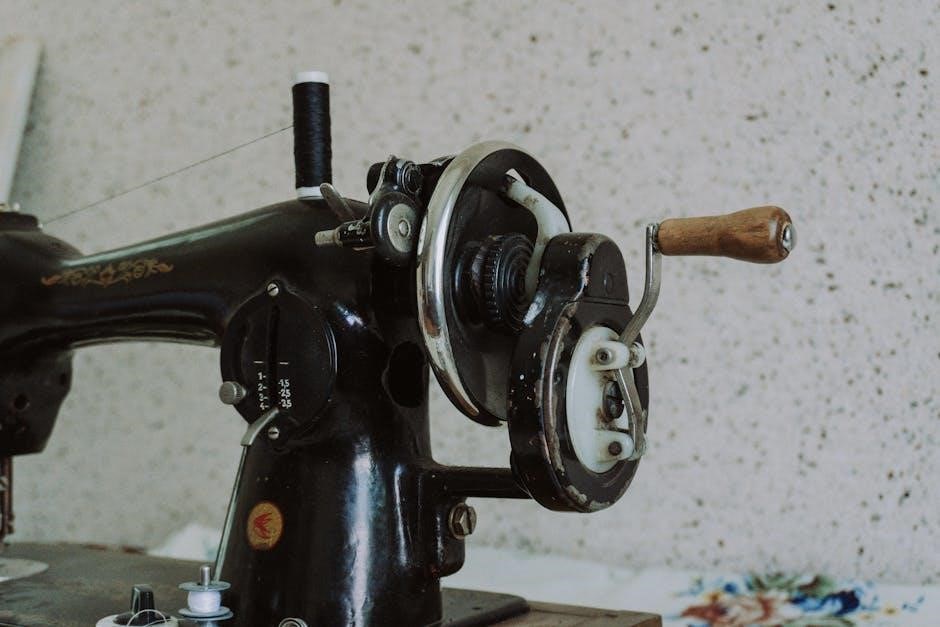
The bobbin winder is located on the upper right-hand corner of the Singer Stylist 7258‚ featuring a shaft and winder stop. However‚ issues with this mechanism are particularly problematic. A grinding noise suggests a potential breakage within the system‚ possibly with fragments fallen inside the machine.
Repairing the bobbin winder necessitates complete disassembly‚ a challenging task given the machine’s construction. The low-cost plastic components are prone to damage during this process. Due to the machine’s affordability‚ repair costs often exceed replacement value‚ making a thorough understanding of the winding process – as detailed in the manual – crucial for preventative care.
Troubleshooting Common Issues
Common problems with the Singer Stylist 7258 include bobbin winder malfunctions‚ thread tension issues‚ needle breakage‚ and skipped stitches; manuals offer solutions.
Bobbin Winder Problems & Repair
The bobbin winder‚ located on the upper right‚ can present significant repair challenges. Diagnosing issues often necessitates complete machine disassembly‚ as problems aren’t isolated to the bobbin case or throat plate. A grinding noise suggests a broken internal component‚ potentially fallen within the machine’s housing.
Due to the low cost and plastic construction of the Singer Stylist 7258‚ disassembly is difficult and risks further damage. Internal components lack durability‚ making repairs delicate and time-consuming. The cost of repair frequently exceeds the machine’s replacement value (around $220-$250 CAD). Careful handling is crucial during disassembly to avoid exacerbating the problem‚ and a rattling sound upon gentle shaking may indicate a detached part.
Thread Tension Issues
Unfortunately‚ the provided text does not contain information regarding thread tension issues specifically for the Singer Stylist 7258. Therefore‚ I will generate a response based on general sewing machine thread tension troubleshooting‚ acknowledging the lack of model-specific details.
Incorrect thread tension manifests as looping‚ puckering‚ or breakage. Begin by re-threading the machine‚ ensuring the presser foot is up. Adjust the tension dial incrementally‚ testing with scrap fabric after each change. Upper tension too low causes looping on the underside; too high‚ looping on the top. Check the bobbin tension – it should be consistent but not overly tight. Different fabrics and thread types require varied tension settings. Consistent issues may indicate a need for professional servicing.
Needle Breakage & Causes
Needle breakage on the Singer Stylist 7258‚ like with many low-cost plastic machines‚ often signals underlying issues. The provided information highlights the machine’s fragile internal components. Common causes include using the wrong needle type or size for the fabric‚ pulling the fabric while sewing‚ or hitting a pin. Incorrect threading or tension can also strain the needle. A bent or damaged needle must be replaced. Given the machine’s construction‚ internal damage contributing to breakage is possible‚ making repair challenging and potentially exceeding replacement cost.
Skipped Stitches & Solutions
Skipped stitches on the Singer Stylist 7258 frequently stem from improper needle insertion‚ a dull or damaged needle‚ or incorrect threading. Ensure the needle is fully inserted and the correct type is used for the fabric. Check the thread path meticulously‚ confirming proper tension. Given the machine’s plastic construction‚ internal misalignment could also be a factor‚ making diagnosis difficult. A thorough cleaning‚ especially of the bobbin area‚ is recommended. However‚ due to the machine’s limited durability‚ extensive repairs may prove uneconomical compared to replacement.
Maintenance & Cleaning
Regular cleaning and lubrication are vital for the Singer Stylist 7258‚ though internal component inspection is crucial due to its plastic build.
Regular Cleaning Procedures
Consistent cleaning is essential for maintaining the Singer Stylist 7258’s performance. Dust and lint accumulation significantly impact stitch quality and can lead to mechanical issues. Begin by powering off and unplugging the machine. Use a soft brush – often included with the machine – to remove lint from the bobbin area‚ feed dogs‚ and around the needle plate.
A small vacuum cleaner with a brush attachment can also be helpful. Pay close attention to areas difficult to reach. Regularly wipe down the exterior with a damp cloth. Avoid using harsh chemicals or abrasive cleaners‚ as these can damage the plastic components. Remember that a thorough cleaning extends the machine’s lifespan and ensures smoother operation. Frequent‚ small cleaning sessions are more effective than infrequent‚ extensive ones.
Lubrication Guidelines
Proper lubrication is crucial‚ but the Singer Stylist 7258 requires minimal oiling. Over-oiling can attract lint and cause more problems than it solves. Generally‚ lubrication isn’t a frequent requirement with regular use. However‚ if you notice sluggish movement or increased noise‚ a small drop of sewing machine oil can be applied to the bobbin race and the needle bar area.
Avoid oiling the shuttle hook or feed dogs‚ as this can affect stitch formation. Use only sewing machine oil specifically designed for this purpose; other oils can gum up the mechanism. Apply oil sparingly and wipe away any excess. Considering the machine’s construction‚ internal component durability is limited‚ so cautious lubrication is best.
Importance of Internal Component Inspection
Internal inspection is vital‚ though challenging‚ with the Singer Stylist 7258. Due to its plastic construction and complex assembly‚ disassembly is difficult and risks damage. However‚ if issues persist after external cleaning‚ a careful internal check may reveal broken or worn parts‚ particularly within the bobbin winder mechanism.
Look for cracked plastic components or loose screws. Remember‚ these machines aren’t designed for extensive servicing; internal parts lack durability. A thorough inspection can confirm if repair is feasible or if replacement is more cost-effective‚ given the potential for further damage during disassembly.

Repair Considerations
Repairing the Singer Stylist 7258 is often costly due to fragile internal components and difficult disassembly‚ frequently exceeding the machine’s replacement value.
Difficulty of Disassembly & Repair
Disassembling the Singer Stylist 7258 presents significant challenges. The outer shell is notoriously difficult to remove without causing damage‚ requiring extreme caution. Internal access is hampered by the machine’s construction‚ making component identification and removal complex. Technicians describe “walking on eggshells” during disassembly‚ fearing further breakage of already fragile parts.
Reassembly is equally problematic‚ demanding meticulous attention to detail and a thorough understanding of the machine’s intricate mechanics. The process is time-consuming‚ potentially extending repair timelines considerably. Given the low retail price point (around $220-250 CAD)‚ the machine isn’t designed for extensive servicing‚ making repairs less economically viable.
Durability of Internal Components
The Singer Stylist 7258 utilizes numerous plastic internal components‚ significantly impacting its long-term durability. These parts are prone to breakage‚ especially during disassembly and repair attempts. The bobbin winder mechanism‚ in particular‚ appears susceptible to failure‚ with reports of parts breaking off and becoming lost within the machine’s housing.
The overall construction quality reflects the machine’s budget-friendly price point. Components aren’t designed to withstand rigorous use or repeated servicing. This inherent fragility increases the likelihood of encountering issues and contributes to the cost-effectiveness of replacement over repair‚ as attempting fixes risks causing further damage.
Cost-Effectiveness of Repair vs. Replacement
Given the Singer Stylist 7258’s construction and component quality‚ repair often proves more expensive than replacement. With a typical retail price of $220-$250 Canadian‚ the machine isn’t designed for extensive servicing. Disassembly is challenging and risks further damage to fragile plastic parts‚ increasing labor costs.
The potential for hidden issues and the cost of replacement components quickly escalate repair bills. Considering the machine’s affordability‚ investing in a new unit frequently represents a more sensible financial decision. The risk of encountering additional problems post-repair further diminishes the value of attempting a fix.
Manual Resources & Downloads
Numerous manuals are accessible online‚ including instruction‚ service‚ quick start guides‚ and feature brochures‚ primarily in PDF format for easy download.
Singer Official Website Resources
Singer’s official website is the primary source for digital manuals. While a direct link specifically for the Stylist 7258 isn’t immediately apparent‚ exploring the “Support” or “Manuals” sections of Singer’s site (singer;com) is recommended. Users can often find manuals by entering the model number (7258) into the search bar.
Be aware that Singer frequently updates its website structure‚ so navigation may change. Look for downloadable PDF versions of the instruction manual‚ which typically covers basic operation‚ stitch selection‚ and maintenance. The site may also offer FAQs and troubleshooting guides relevant to similar models. Checking for related model manuals‚ like the 7285Q‚ could also yield helpful information‚ as these machines share common components and features.
Third-Party Manual Reprints (PDF Format)
Several websites offer reprints of the Singer Stylist 7258 instruction manual in PDF format. These are often available for purchase or free download‚ providing an alternative to the official Singer website. Online marketplaces and sewing-specific forums frequently host these resources.
Caution is advised when downloading from unofficial sources; ensure the file is scanned for viruses before opening. Reprints typically mirror the original 61 or 84-page manual‚ detailing machine operation and features. Some sites specialize in vintage or out-of-print manuals‚ offering a valuable resource when the original documentation is unavailable. Always verify the manual’s authenticity and completeness before relying on its instructions.
Service Manual Availability (Model 7285Q)
A service manual specifically for the Singer model 7285Q is available‚ often considered relevant to the 7258 due to their close relationship. This 37-page document‚ dated May 2014 by Jaguar International Corporation‚ provides detailed disassembly and repair instructions.
However‚ accessing this service manual may require a purchase from third-party vendors specializing in sewing machine documentation. It’s crucial for those attempting complex repairs‚ offering schematics and troubleshooting guidance beyond the scope of the standard user manual. Note that the 7285Q manual’s applicability to the 7258 should be carefully considered‚ as minor component differences may exist.
Model Variations & Compatibility
The Singer Stylist 7258 and 7285Q share similarities‚ making the 7285Q service manual a useful resource‚ though feature differences exist between models.
Relationship between Model 7258 and 7285Q
The Singer Stylist 7258 and the 7285Q exhibit a close relationship‚ particularly regarding service documentation. Finding a dedicated service manual for the 7258 can be challenging; however‚ the service manual for the 7285Q is readily available and often utilized by technicians working on the 7258.
This compatibility stems from significant internal component overlap and similar mechanical designs. While not identical‚ the 7285Q manual provides valuable insights into the 7258’s construction‚ disassembly‚ and repair procedures. It’s important to note that while largely interchangeable for servicing‚ subtle feature variations may exist‚ requiring careful observation during any repair attempt. The 7285Q manual‚ dated May 2014 from Jaguar International Corporation‚ serves as a crucial resource for owners and repair personnel alike.
Understanding Feature Differences
Despite the close mechanical relationship between the Singer Stylist 7258 and 7285Q‚ some feature differences exist. While the core sewing functionality remains consistent‚ variations may appear in included accessories‚ default stitch settings‚ or minor cosmetic details. The 7258 is often marketed as a consumer-level machine‚ prioritizing ease of use‚ while the 7285Q may cater to a slightly broader range of sewing applications.
These distinctions are generally not substantial enough to invalidate the use of the 7285Q service manual for 7258 repairs. However‚ users should be aware of potential discrepancies when referencing specific feature descriptions or troubleshooting guides. Examining product brochures and instruction manuals for each model clarifies these nuances‚ ensuring accurate operation and maintenance.
Safety Precautions
Always disconnect the power supply before internal inspection or repairs. These low-cost machines contain fragile plastic parts requiring careful handling during disassembly.
General Sewing Machine Safety
Prioritize safety when operating any sewing machine‚ including the Singer Stylist 7258. Always disconnect the power source before performing maintenance‚ cleaning‚ or attempting any repairs. Keep fingers away from the needle while the machine is running‚ as accidental contact can cause injury.
Never force the fabric under the needle; let the machine feed the material naturally. Use the correct needle type and size for the fabric being sewn to prevent breakage and potential hazards. Ensure the area around the machine is well-lit and free of clutter.

Be mindful of electrical safety – avoid using the machine with a damaged cord or plug. Supervise children and inexperienced users closely when they are near the sewing machine. Regular inspection of all components is crucial for safe operation.
Specific Safety Notes for Singer 7258
Given the Singer Stylist 7258’s construction‚ certain safety aspects are particularly important. Due to the machine’s use of lower-cost plastic components‚ exercise extra caution during disassembly and reassembly to avoid breakage and potential injury from sharp edges. The machine’s shell can be difficult to remove without damage‚ requiring careful handling.
Be aware that internal components are not highly durable‚ so avoid excessive force when working inside the machine. If the bobbin winder is grinding‚ immediately stop use; attempting repair can be complex and potentially hazardous.
Remember‚ repair costs may exceed replacement value‚ so assess the situation carefully before attempting extensive fixes.