
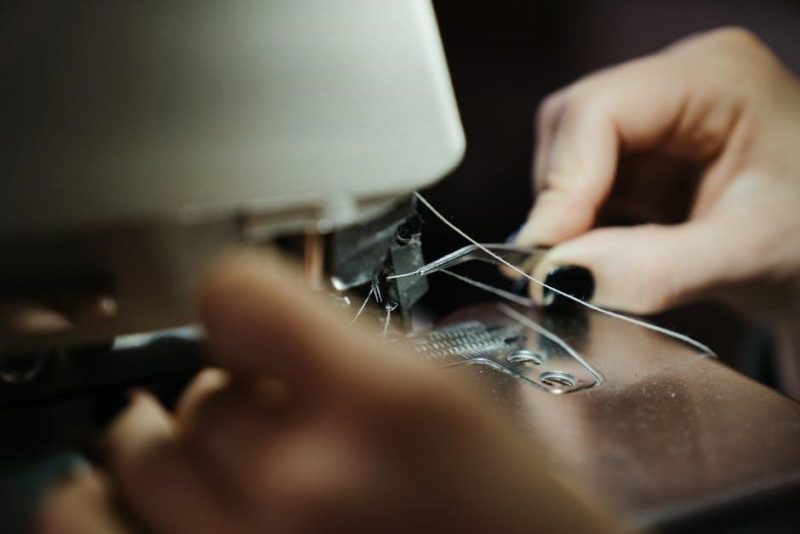
sewing machine laser guide
Frustrated with uneven seams? Our sewing machine laser guide is a game-changer! Achieve professional results with pinpoint accuracy. Easy to install & use – start sewing smarter today!
Sewing machine laser guides enhance precision, utilizing technology for accurate stitching, quilting, and pattern work, as seen in models like the Babylock Crescendo.
What is a Sewing Machine Laser Guide?
A sewing machine laser guide is an innovative tool projecting a visible laser line onto the fabric, serving as a precise stitching reference. This technology assists sewers in maintaining straight lines and following patterns accurately. Found in machines like the Babylock Crescendo, and increasingly integrated into automated systems – such as the Zoje ZJ900 overlocking machine – these guides significantly improve sewing accuracy. They represent a leap forward from traditional edge guides, offering enhanced visibility and control during various sewing applications.
Benefits of Using a Laser Guide
Laser guides dramatically improve sewing precision, reducing errors and wasted fabric. They are particularly beneficial for intricate work like quilting and pattern sewing, offering a clear visual aid. Automation in machines like the Zoje ZJ900 utilizes laser guides for high-speed, accurate overlocking. Benefits include straighter stitches, consistent seam allowances, and increased efficiency, even for complex apparel manufacturing processes. Models like the Babylock Crescendo showcase how laser guidance simplifies projects for both beginners and experienced sewers.

Types of Sewing Machine Laser Guides
Sewing machine laser guides come in built-in, attachable clip-on, and integrated automation system varieties, enhancing precision across diverse machine models and applications.
Built-in Laser Guides
Built-in laser guides represent a seamless integration directly into the sewing machine’s design, offering consistent and readily available assistance for precise stitching. Models like the Babylock Crescendo exemplify this, featuring a laser guideline for enhanced accuracy during both quilting and standard sewing tasks.
This integrated approach eliminates the need for separate attachments, streamlining the sewing process and providing a permanently calibrated reference point. These systems are often factory-aligned, ensuring reliable performance and simplifying setup for users seeking consistent, laser-guided precision.
Attachable/Clip-on Laser Guides
Attachable or clip-on laser guides provide a versatile solution for upgrading existing sewing machines without built-in laser capabilities. These guides typically secure to the machine’s throat plate or surrounding areas, projecting a visible laser line to aid in accurate stitching.
Offering broad compatibility, these attachments are ideal for users wanting to experiment with laser guidance without investing in a new machine. They often feature adjustable positioning, allowing customization for various sewing applications and projects, enhancing precision on diverse fabrics and patterns.
Laser Guides Integrated with Automation Systems
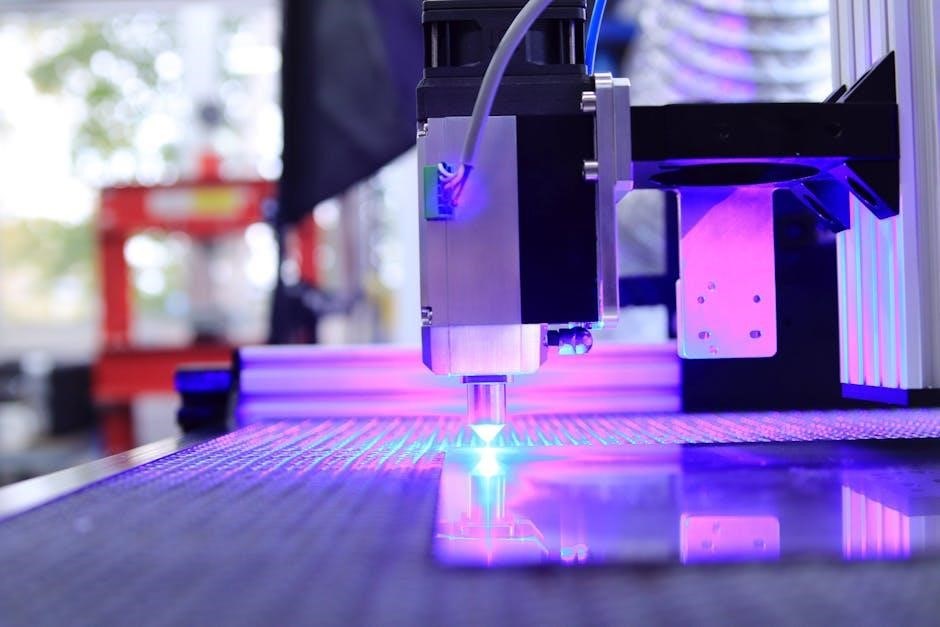
Laser guides are increasingly integrated into automated sewing systems, particularly in high-speed overlocking machines like the Zoje ZJ900, and broader automated apparel manufacturing processes. These systems utilize laser technology for precise fabric alignment and consistent stitch placement during high-volume production.
Integration with TC Series sewing machines demonstrates a trend towards enhanced automation. Laser guidance contributes to improved efficiency, reduced material waste, and higher-quality finished garments within these advanced manufacturing environments.
How Sewing Machine Laser Guides Work
Sewing machine laser guides employ laser projection technology for precise alignment, requiring careful calibration and a reliable power source, often utilizing batteries.
Laser Projection Technology
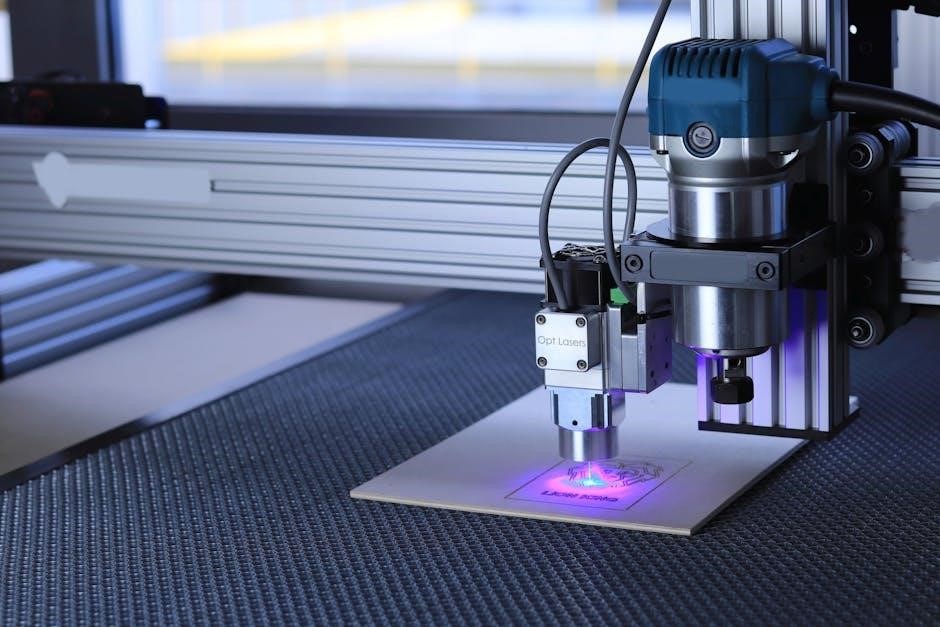
Laser projection technology within sewing machines utilizes a low-power laser diode to cast a visible line onto the fabric surface. This line serves as a precise stitching guide, enhancing accuracy for both straight and curved seams. The system projects a clear, focused beam, aiding in consistent seam allowances and pattern alignment.
Modern systems often incorporate adjustable laser settings, allowing users to modify the line’s brightness and position. This technology is integral to automated systems, like the Zoje ZJ900 overlocking machine, ensuring high-speed, precise fabric manipulation. The laser’s stability is crucial for maintaining consistent sewing quality.
Calibration and Alignment
Calibration and alignment are critical for optimal laser guide performance. Initial procedures involve ensuring the projected laser line precisely corresponds with the desired seam allowance or pattern markings. Misalignment can lead to inaccurate stitching, negating the benefits of the system.
Regular checks and adjustments are necessary, as vibrations or impacts can shift the laser’s position. Some machines, like those in the TC Series, require specific alignment protocols detailed in their parts manuals. Proper calibration guarantees consistent, accurate results, especially in automated apparel manufacturing processes.
Power Sources and Battery Life
Power sources for sewing machine laser guides vary; some utilize direct power from the sewing machine itself, while others rely on batteries. Models like the Zoje ZJ900 super high-speed overlocking machine often include a 2.0 Ah battery and charger for cordless operation.
Battery life is a crucial consideration, impacting uninterrupted workflow. Users should anticipate needing to recharge or replace batteries periodically, depending on usage frequency. Consistent power ensures the laser remains visible and functional throughout sewing projects.

Installation and Setup
Proper installation ensures optimal performance; compatibility with specific sewing machine models is key, requiring careful setup and initial calibration procedures for accuracy.
Compatibility with Sewing Machine Models
Ensuring compatibility is paramount when integrating a laser guide. Not all sewing machines readily accept these systems; some require specific adapters or are designed without the necessary mounting points.
Models like certain Brother and Janome machines often feature pre-designed integration options, while others may necessitate universal clip-on guides.
The Babylock Crescendo, for instance, boasts a built-in laser guideline, simplifying the process.
Carefully review your machine’s specifications and available accessories before purchasing a laser guide to guarantee a seamless and functional installation.
Step-by-Step Installation Guide
Installation typically begins by securely attaching the laser guide – clip-on types require firm placement near the presser foot. Next, connect the power source, often a provided cable or battery pack.
Refer to the manufacturer’s instructions for specific wiring diagrams.
Initial alignment involves projecting the laser line onto your fabric and adjusting the guide’s position until it parallels the desired stitch line.
Double-check stability before operation, ensuring no interference with moving parts.
Initial Calibration Procedures
Precise calibration is crucial for laser guide accuracy. Begin by sewing a straight line on scrap fabric, observing any deviation between the laser and the stitch. Utilize the guide’s adjustment screws – typically small dials – to subtly shift the laser’s projection.
Repeat this process, refining the alignment until the laser perfectly mirrors your stitching path.
Consistent checks are vital, as vibrations can affect alignment.
Using a Laser Guide for Accurate Sewing
Laser guides streamline straight stitching, complex patterns, and quilting, offering visual assistance for consistent seam allowances and enhanced control during sewing projects.
Straight Stitching with Laser Assistance
Employing a laser guide dramatically improves the accuracy of straight stitching, a fundamental sewing technique. The projected line serves as a consistent visual reference, eliminating guesswork and ensuring seams remain perfectly straight throughout the fabric length. This is particularly beneficial for beginners or when working with slippery or bias-cut materials.
Maintaining a consistent distance from the edge becomes effortless, resulting in professional-looking results. The laser’s precision minimizes fabric drift and reduces the need for re-sewing, saving both time and materials. It’s a simple yet powerful enhancement to basic sewing skills.
Pattern Sewing and Curves
Laser guides aren’t limited to straight lines; they significantly aid in pattern sewing and navigating curves. While maintaining a consistent distance is crucial for complex shapes, the laser provides a clear, visible boundary to follow. This is especially helpful when sewing intricate designs or delicate fabrics requiring precise control.
The laser assists in smoothly guiding the fabric along curved pattern pieces, reducing errors and ensuring accurate seam allowances; It enhances the overall quality and appearance of garments and projects involving curved elements, offering a professional finish.
Quilting Applications
Laser guides are invaluable for quilting, offering enhanced accuracy in both straight-line and free-motion quilting. Maintaining consistent spacing between quilting lines is simplified, resulting in a more uniform and professional appearance. The Babylock Crescendo, equipped with a laser guideline, exemplifies this benefit.
For intricate quilting designs, the laser acts as a visual reference, aiding in precise stitch placement and preventing fabric slippage. This leads to improved stitch quality and a beautifully finished quilt top, saving time and reducing frustration.
Advanced Features and Technologies
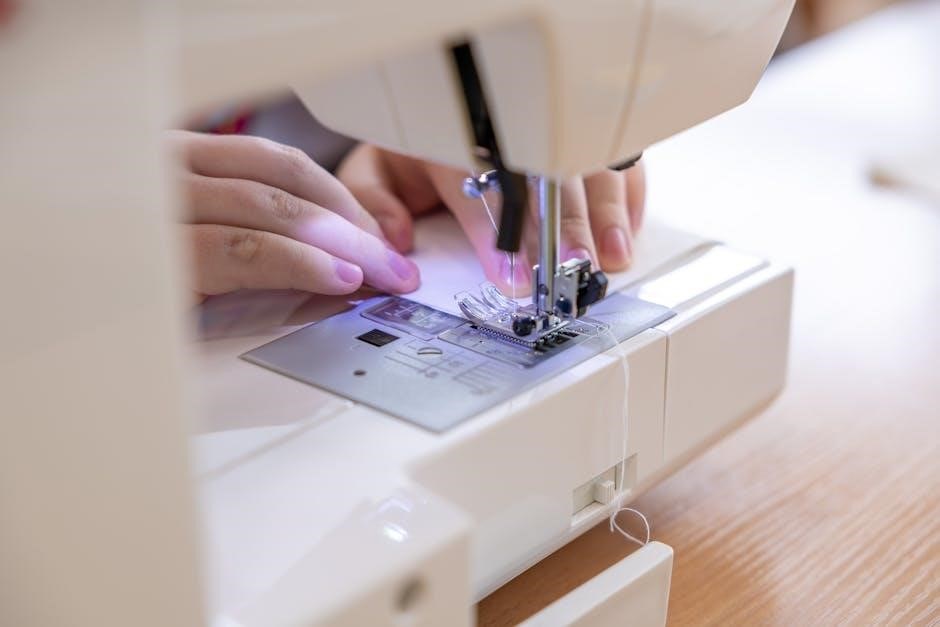
Modern laser guides offer adjustable line settings and edge detection, integrating seamlessly with computerized sewing machines for optimized precision and control.
Adjustable Laser Line Settings
Adjustable laser line settings represent a significant advancement in sewing machine technology, offering users customizable control over the projected guide. This feature allows for adapting the laser’s visibility and positioning to suit diverse fabrics, projects, and personal preferences. Users can modify the brightness of the laser, ensuring optimal visibility even with dark materials.
Furthermore, the laser’s position can be fine-tuned, enabling precise alignment with seam allowances or pattern markings. This adaptability is particularly beneficial for intricate quilting designs or when working with varying fabric weights, ultimately enhancing sewing accuracy and project quality.
Laser Guide with Edge Detection
Laser guides with edge detection represent a cutting-edge feature, automating precision in sewing. This technology utilizes sensors to identify fabric edges, dynamically adjusting the laser line to maintain a consistent distance. This eliminates the need for manual alignment, significantly reducing errors and improving stitch accuracy, especially along curves or irregular shapes.
Such systems enhance efficiency in automated apparel manufacturing, ensuring uniform seam allowances and consistent product quality. This feature is particularly valuable in high-speed overlocking machines like the Zoje ZJ900.
Integration with Computerized Sewing Machines
Integrating laser guides with computerized sewing machines unlocks advanced capabilities. These systems allow the laser to be controlled directly by the machine’s software, enabling automated pattern tracing and complex stitch designs with unparalleled accuracy. This synergy streamlines workflows in automated apparel manufacturing, reducing operator intervention and boosting production speed.
Features like adjustable laser line settings become programmable, optimizing performance for diverse fabrics and projects. Models like the Babylock Crescendo demonstrate this integration effectively.
Troubleshooting Common Issues
Common laser guide problems include visibility issues, inaccurate alignment, and battery failures; addressing these ensures optimal performance and continued precision during sewing projects.
Laser Not Visible
If the laser guide isn’t visible, first verify the power source – ensure a fully charged battery or a secure connection to a power adapter. Check the laser activation switch on the sewing machine; it might be inadvertently turned off. Inspect the laser module itself for any physical damage or obstructions.
Dim lighting in the sewing area can also make the laser difficult to see, so increase ambient light. Finally, recalibrate the laser alignment following the manufacturer’s instructions, as incorrect settings can sometimes render the laser beam faint or invisible.
Inaccurate Laser Alignment
An inaccurate laser alignment necessitates recalibration. Begin by loosening any securing screws on the laser module, allowing for adjustment. Utilize a straight edge or a known reference point on the sewing machine to align the laser beam precisely with the needle position.
Tighten the screws after achieving proper alignment, and re-test by sewing a straight line. If the issue persists, consult the sewing machine’s manual for specific calibration procedures or consider professional servicing.
Battery Problems
Battery issues with laser guides often manifest as a dim or non-existent laser. First, ensure the battery is correctly installed, observing proper polarity. If using rechargeable batteries, verify they are fully charged using the provided charger.
For persistent problems, test with a new battery to rule out a faulty power source. Inspect battery contacts for corrosion and clean them gently. Consider battery replacement if issues continue, ensuring compatibility with the laser guide.
Sewing Machine Automation and Laser Guides
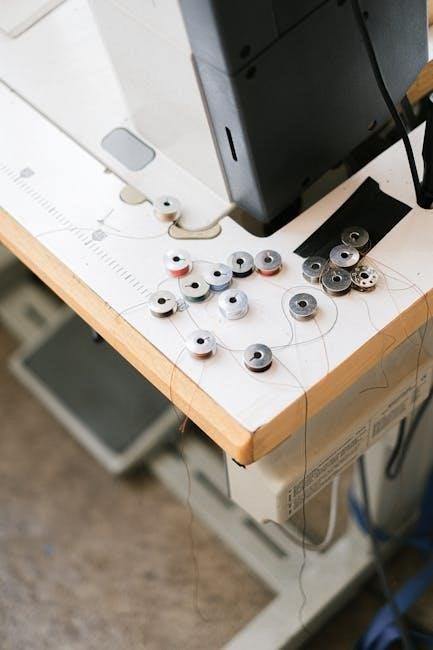
Laser guides are integral to automated apparel manufacturing, notably in high-speed overlockers like the Zoje ZJ900 and TC Series machines, boosting efficiency.
Laser Guides in High-Speed Overlocking Machines (Zoje ZJ900 Example)
Zoje’s ZJ900 super high-speed overlocking machine exemplifies laser guide integration in automated sewing. This model, complete with a pedestal, 1000W motor, and speed reducer, utilizes a laser for enhanced fabric alignment during high-velocity operation.
The inclusion of a laser, alongside LED lighting and a flatbed table, significantly improves precision and reduces operator fatigue. This automation feature is crucial for maintaining consistent stitch quality at rapid production speeds, making the ZJ900 a valuable asset in modern apparel manufacturing facilities.
Laser Guides in Automated Apparel Manufacturing
Laser guides are increasingly vital in automated apparel manufacturing, enhancing precision and efficiency. Documents detail various automation technologies, with laser guidance playing a key role in streamlining processes. These systems minimize errors and improve consistency, particularly crucial for high-volume production.
Integrating laser guides with computerized sewing machines allows for complex pattern sewing and accurate fabric handling. This technology reduces material waste and improves overall product quality, contributing to cost savings and faster turnaround times within the industry.
The Role of Laser Guides in TC Series Sewing Machines
Laser guides significantly enhance the functionality of TC Series sewing machines, as evidenced by detailed parts lists and operational manuals. These guides improve accuracy during intricate sewing tasks, contributing to higher-quality garment construction. The documentation highlights the integration of laser technology within the lower shaft arm assembly.
By providing a clear visual reference, laser guides minimize operator error and ensure consistent stitch placement, crucial for maintaining production standards in apparel manufacturing environments utilizing the TC Series.
Popular Sewing Machine Models with Laser Guides
Popular models featuring laser guides include the Babylock Crescendo and various Brother and Janome machines, offering enhanced precision for quilting and sewing projects.
Babylock Crescendo
The Babylock Crescendo stands out as a premier sewing and quilting machine, notably equipped with an integrated laser guideline system. This feature dramatically improves accuracy during both sewing and quilting tasks, allowing for precise fabric alignment and stitch placement.
The laser projects a clear, visible line directly onto the fabric, assisting users in maintaining straight seams and following intricate patterns with ease. Being “nearly new” as often advertised, this machine offers advanced capabilities for serious sewing enthusiasts seeking enhanced control and professional-quality results. It’s a testament to laser guide integration.
Brother Sewing Machines with Laser Guides
Brother offers a range of sewing machines incorporating laser guide technology, though specific models weren’t explicitly detailed in the provided text. These guides enhance sewing precision, aiding in straight stitching and pattern following. The integration aims to improve user control and project accuracy.
While details are limited, Brother’s commitment to innovation suggests a focus on user-friendly features like laser assistance. Expect these models to provide a visible line for fabric alignment, contributing to professional-looking results and streamlined sewing experiences for both beginners and experienced users.
Janome Sewing Machines with Laser Guides
Janome, like Brother, integrates laser guide technology into select sewing machine models to boost accuracy and ease of use. The provided information doesn’t specify particular Janome machines featuring this technology, but it’s reasonable to assume they offer similar benefits.
These laser guides likely project a clear line onto the fabric, assisting with straight stitching, precise pattern placement, and consistent seam allowances. This feature caters to quilters, apparel makers, and anyone seeking professional-quality results with enhanced control and reduced errors.

Laser Guide Accessories and Add-ons
Various attachments, replacement modules, and calibration tools are available to enhance laser guide functionality and maintain optimal performance for sewing machines.
Different Laser Guide Attachments
A diverse range of laser guide attachments caters to specific sewing needs, expanding beyond basic straight-line projection. These include adjustable mounts for varied machine heights and angles, ensuring optimal laser alignment. Specialized attachments offer enhanced visibility on dark fabrics or intricate patterns.
Furthermore, some attachments incorporate features like crosshairs for precise intersection points, crucial for complex quilting designs. Edge guides, often bundled with complete sewing kits, work in conjunction with the laser to maintain consistent seam allowances. These accessories significantly improve sewing accuracy and efficiency.
Replacement Laser Modules
Ensuring longevity of your laser guide often necessitates replacing the laser module itself. Over time, laser diodes can diminish in brightness or fail entirely, impacting accuracy. Replacement modules are available for various sewing machine models, including those utilizing automation systems like the Zoje ZJ900.
When selecting a replacement, compatibility with your machine is paramount. Modules vary in power output and wavelength; choosing the correct one guarantees optimal performance and prevents damage to the sewing machine’s components. Proper installation is also crucial for safe and effective operation.
Calibration Tools
Maintaining laser guide accuracy requires periodic calibration, and specialized tools can significantly simplify this process. These tools often include precision alignment grids or targets designed to help users adjust the laser projection for optimal straightness and parallelism.
For advanced systems, like those found in automated apparel manufacturing utilizing TC Series machines, digital calibration tools may be employed. These tools provide precise measurements and adjustments, ensuring consistent stitch quality and minimizing fabric waste. Regular calibration is key to maximizing the benefits of a laser guide.
Safety Precautions When Using Laser Guides
Prioritize eye safety and proper maintenance when using laser guides; avoid direct exposure and ensure the laser doesn’t interfere with machine operation.
Eye Safety Considerations
Laser guides, while enhancing sewing accuracy, necessitate strict adherence to eye safety protocols. Direct or reflected laser light exposure can potentially cause retinal damage. Never stare directly into the laser beam during operation. Ensure the laser guide is properly shielded and positioned to minimize accidental exposure.
Users should avoid looking at specular reflections from shiny surfaces near the laser path. If prolonged use is anticipated, consider wearing appropriate laser safety glasses designed for the specific wavelength emitted by the sewing machine’s laser guide. Regular inspection of the laser module for any damage or misalignment is also crucial for maintaining safe operation.
Proper Laser Guide Maintenance
Maintaining a sewing machine laser guide ensures optimal performance and longevity. Regularly clean the laser aperture with a soft, lint-free cloth to remove dust and debris that can scatter the beam. Periodically check the alignment and recalibrate as needed, following the manufacturer’s instructions.
Inspect the laser module for any physical damage, such as cracks or loose connections. Replace worn or damaged components, like laser modules or calibration tools, promptly. Proper storage when not in use, away from extreme temperatures and humidity, will also contribute to its sustained functionality.
Avoiding Interference with Sewing Machine Operation
Ensure the laser guide doesn’t obstruct the presser foot, needle, or fabric feed mechanism during sewing. Verify the laser’s power source doesn’t strain the sewing machine’s electrical system. Avoid positioning the laser guide where it could be accidentally bumped or damaged by moving parts.
Regularly assess that the laser’s projection doesn’t hinder visibility of the sewing area. Confirm the guide’s installation doesn’t compromise the machine’s overall balance or stability, maintaining smooth operation.
The Future of Laser Guide Technology in Sewing
Advancements promise increased laser precision and integration with artificial intelligence, expanding applications within the textile industry for automated apparel manufacturing processes.
Potential Advancements in Laser Precision
Future laser guides will likely feature significantly enhanced precision, moving beyond simple line projection. Expect dynamic adjustments responding to fabric stretch or distortion during sewing. Miniaturization of laser modules will allow for integration into a wider range of machine heads, including those used in high-speed overlocking like the Zoje ZJ900.
Furthermore, improved calibration systems, potentially self-calibrating, will minimize alignment errors. The development of multi-laser systems could project complex patterns directly onto the fabric, streamlining intricate designs and quilting projects. These advancements will contribute to greater automation and efficiency in apparel production.
Integration with Artificial Intelligence
AI integration promises a revolution in laser guide functionality. Imagine systems that analyze fabric type and pattern complexity, automatically adjusting laser parameters for optimal accuracy. AI could learn from operator input, refining stitch paths and anticipating potential errors, enhancing precision beyond current capabilities.
This synergy could power automated pattern adjustments during sewing, particularly valuable in automated apparel manufacturing. AI-driven edge detection, coupled with laser guidance, would minimize fabric waste and improve seam quality, impacting TC Series machines and beyond.
Expanding Applications in Textile Industry
Laser guides are poised to move beyond basic apparel, impacting diverse textile sectors. High-speed overlocking machines, like the Zoje ZJ900, already benefit from laser precision, but applications can broaden. Think automotive interiors, upholstery, and technical textiles demanding consistent, accurate seams.
Integrating laser guidance into automated systems will streamline production, reducing defects and increasing throughput. This expansion necessitates robust, reliable laser modules and calibration tools, driving innovation in accessory development.