
season of discovery blacksmithing guide
Forge powerful gear in WoW's Season of Discovery! Our blacksmithing guide covers leveling, essential recipes, and maximizing profits. Dominate the auction house!
Season of Discovery Blacksmithing Guide: A Comprehensive Overview
Welcome, adventurers! This guide details mastering Blacksmithing in World of Warcraft: Season of Discovery, unlocking potent gear and rune-enhanced creations.
Blacksmithing in Season of Discovery (SoD) isn’t merely replicating classic recipes; it’s a reimagining of the profession, deeply intertwined with the new Rune system. This iteration focuses on crafting not just tools and armor, but vessels for powerful, game-changing Runes. Expect a significant shift from traditional leveling, demanding strategic material acquisition and a keen understanding of emerging meta builds.
SoD’s Blacksmithing emphasizes adaptability. The ability to craft Rune-infused items will be paramount, requiring players to specialize and optimize their skills. Early levels will feel familiar, but the profession quickly diverges, presenting unique challenges and opportunities. Mastering Blacksmithing in SoD means becoming a crucial component of any raid or PvP team, providing customized gear tailored to individual playstyles and the evolving demands of each phase.
Why Blacksmithing is Crucial in SoD
Blacksmithing’s importance in Season of Discovery stems directly from the Rune system. Runes aren’t simply stat boosts; they fundamentally alter how abilities function, creating unique and powerful builds. Blacksmiths are the only profession capable of creating the items that house these Runes, granting them unparalleled control over gear customization.
Beyond Runes, blacksmiths provide essential gear upgrades throughout each phase. While other professions offer alternatives, Blacksmithing consistently delivers competitive options, particularly for plate-wearing classes. The ability to self-sufficiency – crafting your own repairs, upgrades, and specialized equipment – is a massive advantage. Furthermore, a skilled blacksmith can corner the market on sought-after Rune-compatible items, generating substantial gold through auction house sales, making it a highly valuable and rewarding profession.
Leveling Blacksmithing (1-300)
Embark on your forging journey! This section outlines the optimal path to maxing Blacksmithing in Season of Discovery, from novice to master craftsman.
1-50: Early Game Fundamentals
Starting your blacksmithing adventure is straightforward! Focus initially on crafting Iron Bars from Iron Ore, readily available in most starting zones. Prioritize recipes like Iron Daggers and Iron Shortswords; these provide consistent skill-ups and are cheap to make. Don’t overlook the value of crafting Repair Kits – they’re always in demand and offer a reliable, if slower, path to progress.
Remember to visit your local blacksmithing trainer frequently! They unlock new recipes as you level. Don’t waste time crafting items you won’t sell or use. Efficiency is key. Gathering your own ore is recommended for cost savings, but purchasing from the Auction House can accelerate leveling if you have the gold. Early skill-ups are quick, so enjoy the initial momentum!
50-100: Focusing on Copper and Tin
As you progress, shift your focus to Bronze! This requires Copper Ore and Tin Ore, commonly found in the hills and caves of Eastern Kingdoms and Kalimdor. Crafting Bronze Weapons and Armor will be your primary skill-up method. Bronze Bracers and Helmets are particularly good choices due to their relatively low material cost and consistent demand.
Consider crafting Copper Wire; it’s a component in several later recipes and can be sold for a small profit. Don’t neglect daily quests that reward ore or crafting materials. Keep an eye on the Auction House for deals on Copper and Tin – sometimes it’s cheaper to buy than to mine. Remember to regularly check your trainer for new recipes!
100-150: Ironworking Basics
Ironworking marks a significant step up! You’ll now be working with Iron Ore, found in mountainous regions like Dun Morogh and the Redridge Mountains. Iron Bars are the foundation for many essential items. Focus on crafting Iron Weapons – swords, axes, and maces – as these provide excellent skill gains. Iron Armor, while heavier, also contributes to leveling.
Iron Horseshoes are a consistently profitable item to craft and sell. Look for quests that reward Iron Ore or provide opportunities to purchase it cheaply. Remember to utilize your mining skill alongside blacksmithing to reduce costs. Don’t underestimate the value of crafting simple tools like Iron Rakes for a small, steady income.
Reaching 150 unlocks Steel, a crucial alloy requiring both Iron Ore and Coal. Steel significantly improves weapon and armor stats, making crafted items more desirable. This range introduces the concept of combining materials – a core element of SoD blacksmithing. Steel Bars are crafted using a Smelting process, so ensure you have sufficient Coal stockpiled.
Focus on crafting Steel Weapons and Armor, prioritizing recipes that offer the best skill-up potential. Steel Reinforced Bracers and Steel Longswords are excellent choices. Consider crafting Steel Toolboxes for a consistent, albeit small, profit. Begin actively seeking out patterns from blacksmithing trainers and through exploration, as more complex recipes become available.
200-250: Thorium and the Mid-Game Grind
Leveling from 200 to 250 centers around Thorium, a more challenging ore to acquire, typically found in higher-level zones like Burning Steppes and Searing Gorge. Thorium offers a substantial stat increase over Steel, making it highly sought after. Expect a significant material cost and increased competition for nodes. Thorium Bars require Thorium Ore and Smoldering Coal.
Crafting Thorium Armor and Weapons is now viable, offering a noticeable power boost. Thorium Breastplates and Thorium Greataxes are popular choices. This phase is a grind, so consider focusing on recipes with high return on investment. Begin experimenting with minor enchantments to add value to your crafted items, preparing for rune applications later on.
250-300: Arcane Steel Preparation
Reaching 250-300 Blacksmithing focuses intensely on Arcane Steel, the pinnacle material for end-game SoD crafting. This requires dedicated farming of Arcanite Crystals, obtained from high-level humanoids, and substantial quantities of Thorium Bars. Arcane Steel Bars are the result of combining these resources, a costly endeavor.
Prepare for a significant gold investment; Arcane Steel is expensive. Focus on maximizing your farming efficiency and potentially utilizing the Auction House. While crafting options are limited at this stage, mastering Arcane Steel bar creation is crucial. Begin stockpiling materials in anticipation of Phase 2 recipes and rune engraving opportunities. Efficiency is key during this grind!
Key Materials and Acquisition
Essential resources include Copper, Tin, Iron, Steel, Thorium, and notably, Arcane Steel – each obtained through mining, questing, or the Auction House.
Copper & Tin Sources
Early-game blacksmithing heavily relies on Copper and Tin. These foundational materials are abundant in the starting zones for both Alliance and Horde players. Look for Copper Veins and Tin Veins primarily within the forests and hills of Elwynn Forest, Dun Morogh, and Westfall for Alliance characters. Horde players will find plentiful nodes in Durotar, the Barrens, and Mulgore.
Efficient farming involves circuitous routes, hitting multiple nodes quickly. Remember that nodes respawn relatively fast, so revisiting areas frequently is key. Consider using a mining skill macro to streamline the process. Don’t overlook quest rewards; many early quests offer Copper and Tin as incentives. Finally, checking the Auction House can be a viable, though potentially more expensive, alternative to direct mining, especially when time is limited.
Iron Ore Locations
Transitioning from Copper and Tin, Iron Ore becomes your primary focus around levels 50-100. Prime locations for Iron Ore include the Redridge Mountains, Deadmines (Westfall), and the Hillsbrad Foothills for Alliance players. Horde players should concentrate their efforts in the Stonetalon Mountains, Thousand Needles, and the northern Barrens. These zones offer a high density of Iron Veins.
Look for veins clustered around mountainous regions and near caves. Competition can be fierce, especially on populated servers, so consider farming during off-peak hours. Utilizing a mining route optimized for speed and node density is crucial. Remember to keep an eye out for rarer ore types that may occasionally spawn alongside Iron, offering a bonus to your gathering efforts. Auction House prices fluctuate, so monitor them before committing to extensive farming.
Steel Bar Procurement

Steel Bars are fundamental for progressing beyond Ironworking, essential for recipes from level 150 onwards. They require combining Iron Ore and Coal, crafted at a forge. While you can mine your own Iron, purchasing it from the Auction House is often more efficient, depending on server prices. Coal is readily available in most mining zones, particularly in Burning Steppes and Searing Gorge.
Consider establishing a dedicated mining alt to streamline resource gathering. Alternatively, focus on efficient mining routes that yield both Iron and Coal simultaneously. Bulk purchasing Coal can save time and gold. Remember that Steel Bars are a consistently high-demand item, making them a viable option for Auction House flipping if you can secure a good source of materials and craft efficiently.
Thorium Ore Farming Spots
Thorium Ore becomes crucial between levels 200-250, demanding efficient farming routes. Un’Goro Crater is arguably the best location, boasting a high density of Thorium veins, though competition can be fierce. Silithus offers a less crowded alternative, though vein density is lower. Winterspring also provides viable farming spots, particularly around the eastern and southern areas.
Utilize a mining route add-on to optimize your path and minimize travel time. Be mindful of roaming elementals and hostile creatures in these zones. Consider farming during off-peak hours to reduce competition. Remember to combine your Thorium farming with gathering other resources like Arcane Crystals, which are also found in these areas, maximizing your efficiency and profit potential.
Arcane Steel Components – A Deep Dive
Arcane Steel, essential for end-game crafting, requires a specific component combination. You’ll need Arcane Crystals, readily farmed in Winterspring, Silithus, and Un’Goro Crater. Alongside these, Thorium Bars are a necessity, crafted from Thorium Ore. However, the key ingredient is Dragon Scales – dropped by various Dragonkin throughout the world, notably in the Wetlands and Ashenvale.
Dragon Scale drop rates can be frustratingly low, so consider utilizing a Dragon Scale farming route. Alternatively, purchasing them from the Auction House is an option, though often expensive. Efficient Arcane Steel production relies on a consistent supply of all three components; prioritize securing these resources to stay ahead in crafting.
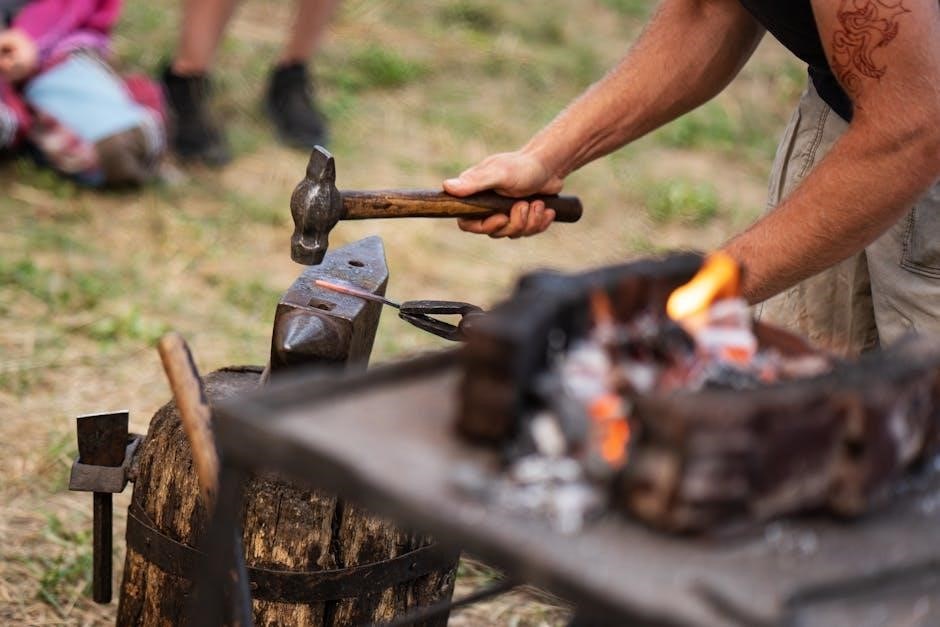
Notable Recipes & Crafting Priorities
Prioritize crafting durable weapons, resilient armor, and essential utility items; rune-enhanced gear will quickly become invaluable for progression and challenging content.
Early Game Weapon & Armor Recipes
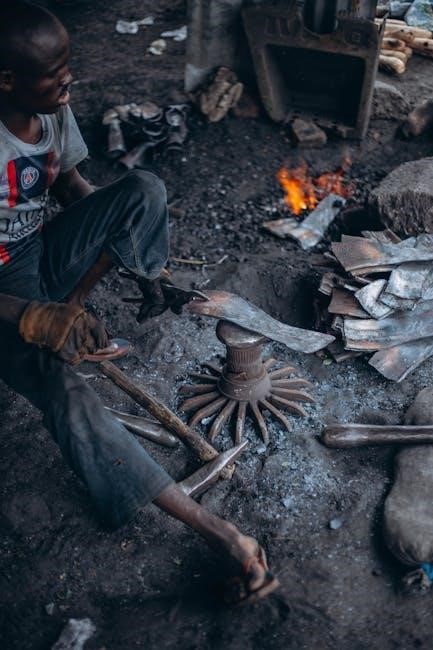
Focus on efficiency when starting out. Copper weapons like the Copper Shortsword and Copper Dagger are quick to craft and provide essential early damage. For armor, prioritize Copper Helmets, Copper Breastplates, and Copper Leggings – offering basic protection while leveling your skill.
Don’t overlook the value of repair costs; crafting your own gear saves significant gold. As you progress to Iron, immediately begin crafting Iron Swords, Iron Axes, and Iron Maces. These offer a substantial upgrade. Corresponding Iron Armor pieces are also crucial.
Remember to check the Auction House for material prices; sometimes, buying ore is cheaper than mining it yourself. Early game recipes are about establishing a foundation and minimizing expenses, preparing you for more complex crafting later on.
Mid-Game Utility Items
Beyond weapons and armor, Steel Blacksmithing unlocks valuable utility items. Steel Bars are essential for crafting Steel Keys, frequently needed for accessing Phase-specific content and treasure chests. Steel Fencing provides a cheap source of vendor trash for quick gold.
Consider crafting Steel Lockboxes; while requiring more materials, they can be sold on the Auction House for a profit, especially if you find a low-competition server. Repair Kits, crafted from Iron and Steel, are always in demand, offering a consistent income stream.
Don’t neglect Thorium Bars as you transition; they’re vital for later utility crafting. Prioritize recipes that offer a good return on investment, balancing material cost with potential profit or personal use.
High-Level Weapon & Armor Options
Arcane Steel unlocks the pinnacle of SoD blacksmithing. Arcane Steel weapons, like swords and axes, become BiS (Best in Slot) for many classes, especially when paired with potent Runes. Focus on crafting weapons with desirable stat combinations – Strength/Stamina, Agility/Crit, or Intellect/Spirit.
Arcane Steel armor offers excellent protection and rune slot availability. Plate armor is highly sought after by Warriors and Paladins, while Mail armor benefits Hunters and Shamans. Crafting specific armor pieces tailored to popular Rune builds can yield substantial profits.
Remember to monitor Auction House prices and adjust your crafting focus accordingly. High-level materials are expensive, so efficient farming and smart crafting are crucial for maximizing returns.
Rune Engraving & Blacksmithing Synergy
Blacksmithing’s true power in Season of Discovery lies in its synergy with Rune Engraving. Crafted items, particularly weapons and armor, provide the base for applying powerful Runes, dramatically altering their functionality. Prioritize crafting items with Rune slots – these are invaluable!
Understanding Rune effects is key. Some Runes enhance damage, others provide defensive bonuses, and some introduce entirely new mechanics. Blacksmiths can cater to specific class needs by crafting items optimized for particular Rune builds.
Experimentation is encouraged! Combining different Runes with expertly crafted gear can unlock unique and powerful combinations. The Auction House thrives on demand for Rune-ready items, offering substantial profit opportunities for skilled blacksmiths.
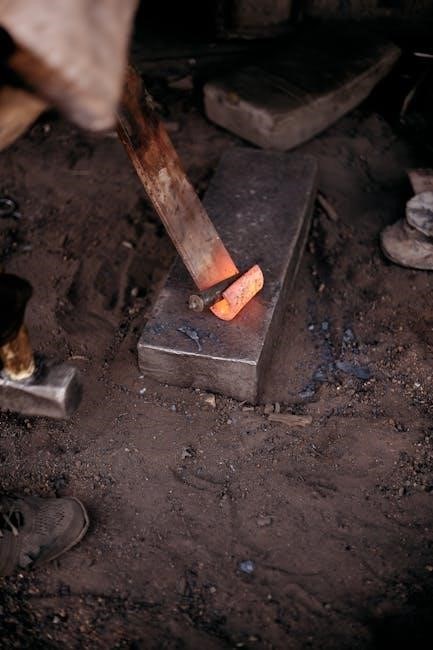
Blacksmithing Specializations & Runes
Mastering Rune application and understanding specialization options are crucial for maximizing your Blacksmithing potential within Season of Discovery’s evolving landscape.
Understanding Rune Slots & Engraving
Season of Discovery introduces a revolutionary system: Rune engraving. Weapons and armor now possess Rune slots, allowing players to imbue items with powerful, temporary enhancements. These Runes aren’t simply stat boosts; they fundamentally alter how abilities function, creating unique builds and playstyles.
The number of Rune slots varies depending on the item’s level and rarity. Green quality items typically have one slot, while blue items may have two. Epic items, when introduced, will likely feature three or more. Engraving a Rune consumes the Rune itself, permanently attaching its effect to the item until overwritten.
Blacksmiths play a vital role in this system, not only by crafting items with Rune slots but also by understanding the synergy between different Runes and item types. Careful consideration of Rune effects and slot availability is paramount to creating truly optimized gear. Experimentation is key to discovering potent combinations!
Defensive Rune Applications
Defensive Runes significantly enhance survivability, offering crucial advantages in both Player versus Environment (PvE) and Player versus Player (PvP) scenarios. These Runes often focus on increasing armor, resistance to specific damage types, or providing healing-over-time effects. Consider Runes that grant temporary shields upon taking damage, mitigating burst attacks.
For tanking specializations, Runes that improve threat generation or reduce damage taken are invaluable. Healing Runes, while less common on armor, can provide a supplementary source of sustain. In PvP, defensive Runes can counter specific class abilities or provide crucial crowd control resistance.
Blacksmiths should prioritize crafting armor with Rune slots strategically placed to maximize the benefits of defensive enhancements. Understanding enemy damage profiles and tailoring Rune choices accordingly is essential for optimal performance. Don’t underestimate the power of consistent, passive mitigation!
Offensive Rune Applications
Offensive Runes empower Blacksmith-crafted weapons, dramatically increasing damage output and providing unique combat advantages. These Runes frequently focus on enhancing weapon damage, adding elemental effects, or granting procs that trigger additional attacks or debuffs. Prioritize Runes that synergize with your class’s core abilities and playstyle.
For melee classes, Runes that increase critical strike chance or damage are highly effective. Ranged classes benefit from Runes that enhance attack speed or add area-of-effect damage. Consider Runes that apply debilitating effects to enemies, such as slowing or reducing their armor.
Blacksmiths should experiment with different Rune combinations to discover optimal builds for various content. Understanding enemy weaknesses and tailoring Rune choices accordingly is key to maximizing damage potential. A well-chosen offensive Rune can turn the tide of battle!
Utility Rune Applications
Utility Runes offer Blacksmiths a chance to create items beyond pure damage or defense, focusing on enhancing survivability, resource management, or providing unique out-of-combat benefits. These Runes often add effects like increased movement speed, improved health regeneration, or reduced cooldowns on key abilities.
For all classes, Runes that grant temporary immunity or crowd control resistance can be invaluable in challenging encounters. Runes that restore mana or energy are crucial for sustained spellcasting or melee combat. Consider Runes that provide utility in exploration, such as increased gathering speed or reduced fall damage.
Strategic use of Utility Runes can significantly improve a character’s overall effectiveness. Blacksmiths should analyze their needs and choose Runes that complement their playstyle and address specific weaknesses. Don’t underestimate the power of a well-placed utility effect!

Maximizing Blacksmithing Efficiency
Speed is key! Efficient gathering, trainer visits, and smart Auction House usage will dramatically accelerate your Blacksmithing progress in SoD.
Utilizing Blacksmithing Trainers
Trainers are essential for unlocking new recipes and skill tiers throughout your Blacksmithing journey in Season of Discovery. Regularly visiting trainers is not optional; it’s a core component of efficient leveling. Each major city – Ironforge, Orgrimmar, and Stormwind – houses a Blacksmithing trainer.
Don’t overlook the importance of seeking out specialized trainers as you progress. While initial trainers cover broad skill ranges, later trainers often introduce recipes specific to the current phase or offer access to more advanced techniques.
Remember to check back with trainers even after reaching skill cap 300! New recipes may become available with each phase release, and trainers are the sole source for these crucial advancements. Prioritize trainer visits alongside material gathering to maintain a smooth and productive leveling experience. Ignoring trainers will severely hinder your progress.
Optimizing Material Gathering Routes
Efficient gathering is paramount for successful Blacksmithing. Pre-planning routes minimizes travel time and maximizes resource acquisition. Utilize online resources like Wowhead and dedicated SoD mapping tools to identify high-density ore nodes. Consider utilizing a flying mount when available, significantly speeding up travel between nodes.
For Copper and Tin, focus on the starting zones – Dun Morogh for Alliance and Durotar for Horde. Iron ore is abundant in the Burning Steppes and Searing Gorge. Thorium requires venturing into Un’Goro Crater and Silithus.
Remember to factor in competition from other players. Less-populated realms offer easier gathering, while heavily populated realms may require strategic timing or exploring less-traveled areas. Combining gathering with questing can further optimize your time and yield additional rewards alongside your blacksmithing materials.
Profiting from Blacksmithing – Auction House Strategies
Blacksmithing can be lucrative through smart Auction House (AH) utilization. Identify items with high demand and limited supply – often early-tier rune-engraved gear. Monitor AH trends to understand pricing fluctuations and capitalize on opportunities. Crafting in batches can reduce per-item costs and streamline listing.
Focus on crafting items that require rare or difficult-to-obtain materials, increasing their value. Consider undercutting competitors strategically, but avoid price wars that devalue the market.
Don’t neglect consumables! Certain blacksmithing-specific items, or those requiring blacksmithing skill to create, can be consistently profitable. Regularly check the AH for material prices to ensure your crafting remains profitable, adjusting recipes as needed. Patience and market awareness are key to maximizing profits.

Blacksmithing and Phase Progression
Each phase introduces new materials and recipes, demanding adaptation. Blacksmithing’s relevance evolves, offering crucial upgrades aligned with the unfolding content.
Phase 1 Blacksmithing Considerations
Phase 1 heavily emphasizes maximizing efficiency with readily available resources. Focus on crafting Thorium gear, as it provides a significant power boost for early-game content and dungeon runs. Prioritize recipes that utilize Thorium bars, as these will be in high demand from other players, creating potential for profitable sales on the Auction House.
Early rune engraving opportunities are limited, but strategically applying defensive runes to crafted armor can provide a noticeable advantage. Don’t neglect the value of crafting repair kits; consumables are always needed. Keep an eye out for quests that reward blacksmithing patterns, as these can unlock valuable recipes. Mastering the basics of alloy creation – specifically Arcane Steel preparation – will set you up for success in subsequent phases. Remember to consistently check blacksmithing trainers for new recipes and skill enhancements.