
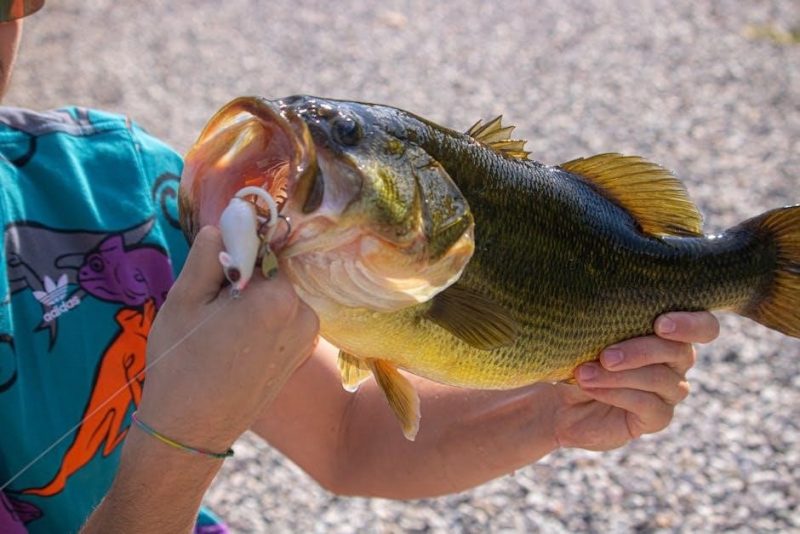
fishing guide gratuity
Wondering about fishing guide gratuity? Don't get caught unprepared! Learn the etiquette & how much to tip your guide for an amazing day on the water.
Fishing Guide Gratuity: A Comprehensive Guide
Navigating fishing guide gratuity involves understanding debated etiquette, with a common guideline suggesting 10-15% for good service and 20% for exceptional experiences.
Understanding the Basics of Tipping Fishing Guides
Tipping a fishing guide is a common practice, though often debated, reflecting appreciation for their expertise and service. It’s a gesture acknowledging their efforts in creating a memorable and enjoyable angling experience. Unlike some service industries where tipping is automatic, fishing guide gratuity relies heavily on individual assessment of the service provided.
Generally, tipping isn’t strictly required, but it’s considered polite and a professional courtesy. Guides often rely on tips to supplement their income, especially considering the long hours, physical demands, and specialized knowledge required for the job. Understanding this context helps anglers approach tipping with thoughtfulness. A standard approach involves considering the overall quality of the trip and the guide’s contribution to its success.
Is Tipping Expected?
While not universally mandated, tipping a fishing guide is widely considered expected, particularly in regions where service-industry gratuities are customary. It’s less about a strict obligation and more about recognizing exceptional effort and specialized skills. Guides invest significantly in their knowledge, equipment, and maintaining a safe, productive fishing environment.
Many guides depend on tips as a substantial part of their income, supplementing their base pay. Therefore, a lack of a tip might be perceived as dissatisfaction with the service. However, open communication about any concerns is always encouraged. Ultimately, the decision to tip rests with the angler, but understanding the industry norms and the guide’s dedication is crucial for making an informed choice.
Standard Tipping Percentages
Generally, a standard tip for a fishing guide falls within the 10-20% range of the total trip cost. A 10% tip signifies satisfactory service, acknowledging the guide fulfilled their basic duties. Fifteen percent represents good service, indicating the guide went above and beyond to enhance the experience. Twenty percent, or more, is reserved for truly exceptional service – perhaps locating prized fish, providing outstanding instruction, or demonstrating remarkable hospitality.
These percentages serve as guidelines, not rigid rules. Factors like trip length, weather conditions, and the overall quality of the experience should influence your final gratuity amount. Consider that guides often share tips with deckhands or other crew members, so a generous tip benefits the entire team.
Factors Influencing Gratuity Amount
Several elements beyond basic service quality impact appropriate gratuity. Trip duration is key; longer trips often warrant higher tips. Challenging weather conditions, where the guide still strives for success, deserve recognition. The guide’s effort in accommodating specific requests, like targeting particular species, should also be considered.
Your personal catch success isn’t the sole determinant – a guide can provide excellent service even with slow fishing. However, exceptional fish-finding skills certainly justify a higher tip. The guide’s knowledge, professionalism, and overall contribution to a memorable experience are paramount. Ultimately, the gratuity should reflect your satisfaction and appreciation for their expertise and dedication.
Service Quality and Tipping
Gratuity levels directly correlate with service quality; exceptional experiences merit 20% or more, while good service typically receives 15%, and average, 10% consideration.
Exceptional Service: When to Tip 20% or More
Recognizing truly exceptional service from your fishing guide warrants a gratuity exceeding the standard 15%. This applies when the guide goes above and beyond, demonstrating unparalleled expertise and dedication to ensuring a memorable experience. Consider tipping 20% or more if your guide proactively anticipates your needs, provides insightful local knowledge, and consistently puts you on fish.
Furthermore, exceptional service includes a genuine commitment to safety, maintaining a clean and organized boat, and offering personalized attention throughout the trip. If the guide displays remarkable patience, especially with novice anglers, or successfully navigates challenging conditions, a generous tip is a fitting acknowledgment. Ultimately, exceeding expectations and creating an unforgettable fishing adventure justifies a higher gratuity.
Good Service: The 15% Standard
A 15% gratuity represents the standard for good service provided by a fishing guide, reflecting a satisfactory and enjoyable experience on the water. This level of service typically includes competent boat handling, basic fish-finding skills, and a generally pleasant attitude. The guide fulfills their core responsibilities, ensuring a safe and reasonably productive fishing trip.
Good service means the guide is knowledgeable about the local fishing grounds and employs appropriate techniques, though perhaps without exceptional success. They maintain a clean boat and provide necessary equipment in working order. A 15% tip acknowledges their professionalism and effort in delivering a standard, positive fishing experience, creating a memorable day for all involved.
Average Service: The 10% Consideration
A 10% gratuity should be considered when the fishing guide provides average service – meeting basic expectations but falling short of exceeding them. This might involve adequate boat operation and equipment, but with limited fish-finding success or a less-than-enthusiastic demeanor. While the trip isn’t necessarily bad, it lacks the extra effort or expertise that elevates it to a truly memorable experience.
Offering 10% acknowledges the guide’s time and effort, but also subtly indicates room for improvement. It’s appropriate if the guide is polite and professional, but doesn’t go above and beyond to enhance the trip. This level of gratuity is a polite gesture, recognizing service that is acceptable, but not exceptional.
Trip Length and Gratuity
Gratuity amounts often correlate with trip duration; shorter half-day trips require less tipping, while full and multi-day excursions warrant higher considerations.
Half-Day Trips: Tipping Guidelines
For half-day fishing trips, typically lasting around four to six hours, a gratuity ranging from $50 to $100 is generally considered appropriate, assuming satisfactory service. This translates to roughly 10-15% of the total trip cost. If the guide provides exceptional service – going above and beyond to ensure a memorable experience, offering valuable insights, or skillfully navigating to prime fishing spots – increasing the tip to $100-$150, or even 20% of the cost, is a thoughtful gesture.
Remember that these are guidelines, and personal discretion plays a role. Factors like the guide’s helpfulness, the quality of the boat, and the overall enjoyment of the trip should influence your decision. A smaller tip, around $30-$50, might be suitable for average service, but always consider acknowledging effort and expertise.
Full-Day Trips: Tipping Guidelines
When embarking on a full-day fishing excursion, typically spanning eight to ten hours, a more substantial gratuity is customary to reflect the extended service and dedication of your fishing guide. A standard tip falls within the $100 to $200 range, representing 15-20% of the total trip expense. Exceptional service, characterized by expert fish-finding skills, outstanding customer care, and a commitment to safety, warrants a tip exceeding $200, potentially reaching 25% or more.
Consider the guide’s effort in providing all necessary equipment, cleaning your catch, and sharing their extensive knowledge of the local waters. A tip below $100 might be appropriate for adequate service, but acknowledging truly exceptional experiences with a generous gratuity is highly appreciated.
Multi-Day Trips: Gratuity Structure
For extended fishing adventures spanning multiple days, the gratuity structure differs from single or full-day trips. A common approach is to tip a set amount per day, typically between $75 and $150, depending on the quality of service and the overall experience. Alternatively, you can calculate 15-20% of the total trip cost and distribute it at the journey’s conclusion.
Consider tipping daily to acknowledge consistent performance, especially with rotating guide teams. If the same guide accompanies you throughout the entire trip, a single, larger gratuity at the end is perfectly acceptable. Remember to factor in the crew’s dedication to providing exceptional service, including meal preparation and logistical support.
Regional Tipping Etiquette
Understanding regional nuances is key; tipping customs vary globally for fishing guides, encompassing U.S. standards, international practices, and lodge staff considerations.
Tipping Fishing Guides in the United States
Within the United States, tipping fishing guides is a widely accepted practice, reflecting appreciation for their expertise and service. A standard tip generally falls within the 15-20% range of the total trip cost, though this can fluctuate based on the quality of the experience. For exceptional service – perhaps a guide goes above and beyond to locate fish, provides insightful instruction, or ensures a particularly safe and enjoyable day – exceeding 20% is both appropriate and appreciated.
Conversely, if the service is merely adequate, a 10-15% tip remains acceptable. It’s important to remember that guides often rely on tips to supplement their income, especially considering the long hours and physical demands of the job. Regional variations may exist, with some areas having slightly higher expectations, but the 15-20% guideline serves as a reliable benchmark across most of the country.
International Fishing Guide Tipping Customs
Globally, tipping customs for fishing guides vary significantly, demanding research before your trip. Unlike the US, tipping isn’t always expected, and in some cultures, it might even be considered impolite. In many Central and South American destinations, a 10-15% tip is appreciated for good service, mirroring US standards. However, in certain Caribbean islands, gratuity may already be included in the overall package, so clarifying this beforehand is crucial.
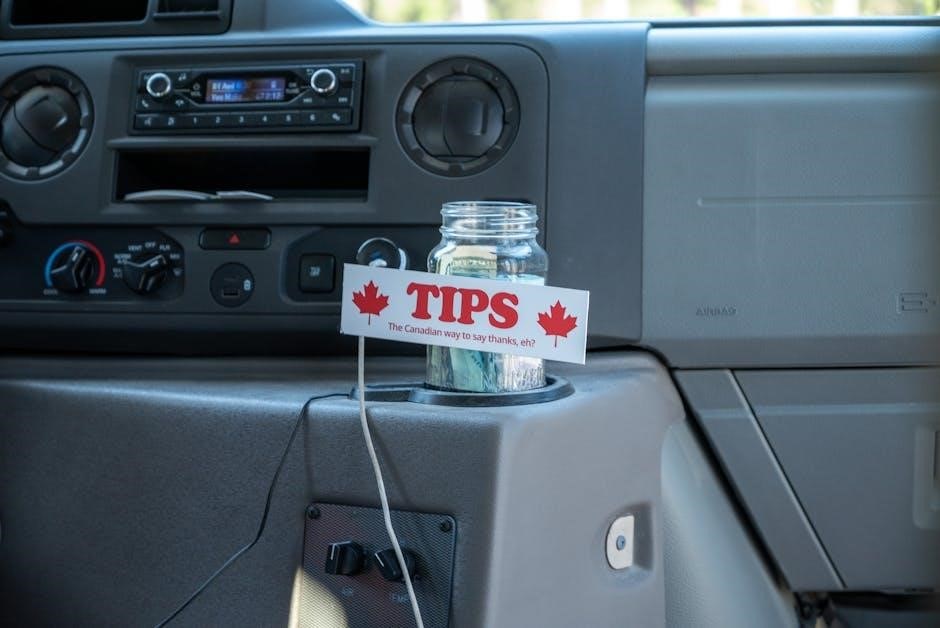
For destinations like Canada or parts of Europe, tipping isn’t as ingrained. While not mandatory, offering a small token of appreciation – perhaps $20-$50 – for exceptional service is a kind gesture. Always consider local customs and be mindful of potential cultural sensitivities. Understanding these nuances ensures respectful and appropriate expression of gratitude.
Tipping Lodge Staff and Additional Crew
Beyond the fishing guide, consider tipping lodge staff and additional crew members who contribute to your experience. This includes cooks, housekeepers, and deckhands. A collective tip for the lodge staff, pooled and distributed amongst them, is a common practice – typically 10-15% of the total lodge bill. For individual services, like exceptional housekeeping, a direct tip of $10-$20 is appreciated.
Deckhands, if assisting throughout the day, generally receive a smaller individual tip than the guide, around $20-$50 per day, depending on their level of service. Remember, these individuals often work tirelessly behind the scenes to ensure a smooth and enjoyable trip. Recognizing their efforts with a gratuity demonstrates your appreciation for their hard work and dedication.
Methods of Giving a Tip
Cash remains the preferred method for tipping, but credit card options and digital payments are increasingly available, though considerations may apply regarding processing fees.
Cash Tips: The Preferred Method
Traditionally, cash tips are overwhelmingly favored by fishing guides, offering them immediate access to the gratuity without potential bank fees or processing delays. This direct form of appreciation is often seen as a genuine acknowledgment of their service and expertise throughout the fishing trip. Guides appreciate the simplicity and certainty that cash provides, allowing them to utilize the funds as they see fit, whether for personal expenses or reinvestment in their equipment and services.
While other methods are becoming more common, cash remains the gold standard. Having small bills readily available is helpful, especially on longer trips where you might want to tip incrementally throughout the day. It’s a tangible expression of gratitude that resonates strongly within the guiding community, fostering positive relationships and ensuring continued excellent service for future anglers.
Credit Card Tips: Availability and Considerations
Increasingly, fishing guides and charter operations are equipped to accept credit card tips, offering a convenient alternative to cash. However, availability varies significantly; it’s crucial to inquire beforehand if this option exists. Be aware that processing fees are often deducted from the tip amount when using a credit card, potentially reducing the gratuity received by the guide. Some operations may allow you to add the tip to the final bill, while others might utilize mobile payment systems linked to credit cards.
If opting for a credit card tip, consider factoring in an additional percentage to offset the processing fees, ensuring the guide receives the intended amount. Always confirm the final tipped amount with the guide or operator to avoid any misunderstandings.
Digital Payment Options
Alongside credit cards, several digital payment platforms are becoming popular for tipping fishing guides. Services like Venmo, PayPal, and Cash App offer convenient and contactless ways to show appreciation. These options are particularly useful if a guide doesn’t have a traditional credit card processing system. Before your trip, it’s wise to ask your guide if they prefer any specific digital payment method and obtain their account details.
When using these platforms, be mindful of potential transaction fees, which may be incurred by either the sender or receiver. Confirming the fee structure beforehand ensures the full intended tip amount reaches the guide. Digital payments provide a traceable record of the gratuity, offering transparency for both parties.

What Does a Fishing Guide Do That Warrants a Tip?
Guides earn tips through expert knowledge, navigation, fish-finding skills, ensuring safety, and providing excellent customer service for a memorable angling experience.
Expert Knowledge and Navigation
A skilled fishing guide possesses in-depth knowledge of local waterways, fish species, and their behaviors, significantly enhancing your angling success. They expertly navigate boats, understanding currents, tides, and potential hazards, ensuring a safe and productive trip. This expertise extends to interpreting weather patterns and adapting strategies accordingly.
Guides share valuable insights into effective fishing techniques, bait selection, and optimal locations, saving you time and frustration. Their navigational prowess allows access to prime fishing spots often unknown to the average angler. This combination of knowledge and skill directly contributes to a more enjoyable and fruitful fishing experience, justifying a generous tip for their valuable contribution.
Fish Finding and Expertise
Exceptional fishing guides don’t just take you fishing; they actively locate fish using sophisticated techniques and years of accumulated experience. They interpret sonar readings, understand seasonal migration patterns, and recognize subtle signs indicating fish presence. This ability to consistently put clients on fish is a hallmark of a truly skilled guide.
Beyond simply finding fish, guides offer expertise in presenting baits effectively, adjusting to changing conditions, and providing tailored advice based on your skill level. Their knowledge maximizes your chances of a successful catch, transforming a potentially unproductive day into a memorable angling adventure. Recognizing this expertise with a thoughtful gratuity is a common practice.
Safety and Customer Service
A paramount responsibility of any fishing guide is ensuring client safety. This encompasses thorough pre-trip safety briefings, maintaining a well-equipped and seaworthy vessel, and proactively monitoring weather conditions. Excellent guides prioritize your well-being above all else, creating a secure and comfortable environment.
Coupled with safety, exceptional customer service elevates the entire experience. Attentive guides cater to individual needs, offer assistance with tackle, and provide insightful commentary about the local ecosystem. They strive to create a personalized and enjoyable outing, fostering a positive and lasting impression. Generous tipping often reflects appreciation for this dedication to both safety and service.
Poor Service and Unprofessional Conduct
While tipping is customary for good service, it’s certainly not obligatory for subpar performance. Unprofessional conduct, such as rudeness, inattentiveness, or a lack of respect, doesn’t warrant a gratuity. If a guide appears disinterested or fails to provide a reasonable level of effort, reconsider tipping.
Similarly, safety concerns or negligence are serious issues. A guide prioritizing personal convenience over client safety, or demonstrating reckless behavior, deserves neither a tip nor future business. Documenting such instances is advisable. If promises made about the trip are unfulfilled or misrepresented, it’s justifiable to adjust or withhold the gratuity, reflecting dissatisfaction with the overall experience.
Safety Concerns and Negligence
A fishing guide’s primary responsibility is client safety; any compromise in this area immediately impacts gratuity expectations. Negligence, such as operating a boat recklessly, ignoring weather warnings, or failing to provide adequate safety equipment, is unacceptable. If a guide prioritizes catching fish over ensuring passenger well-being, a reduced or absent tip is entirely justified.
Documenting any safety violations is crucial. Should a guide exhibit unsafe practices, report the incident to the appropriate authorities. A guide’s disregard for safety demonstrates a lack of professionalism and undermines the trust essential for a positive fishing experience, removing any obligation to provide a gratuity.
Unfulfilled Promises or Misrepresentation
When a fishing guide makes promises about the trip – specific species targeted, fishing techniques employed, or the likelihood of a successful catch – and fails to deliver without reasonable explanation, it impacts gratuity. Misrepresenting the fishing conditions or the guide’s expertise also warrants consideration when determining a tip.
If a charter is advertised as targeting a particular fish, but the guide knowingly takes you to waters where that species is scarce, a reduced tip is appropriate. Transparency and honesty are vital. A guide should proactively communicate any changes in plans or unforeseen circumstances. Failure to do so demonstrates a lack of respect for the client’s investment and expectations.

Beyond the Tip: Showing Appreciation
Expressing gratitude extends beyond monetary tips; positive reviews, referrals, thoughtful gifts, and repeat business demonstrate genuine appreciation for a guide’s efforts.
Positive Reviews and Referrals
Sharing your positive experience through online reviews is incredibly valuable to a fishing guide’s business. Platforms like Google, Yelp, and fishing-specific forums allow you to detail your trip, highlighting the guide’s expertise, service, and overall contribution to a memorable day on the water.
Detailed reviews not only help the guide attract future clients but also contribute to their professional reputation within the angling community.
Furthermore, personal referrals – recommending the guide to friends, family, or fellow fishing enthusiasts – are often the most impactful form of advertising. Word-of-mouth recommendations carry significant weight and demonstrate genuine satisfaction with the service provided. A simple recommendation can translate into valuable bookings for the guide, solidifying a lasting connection and appreciation.
Small Gifts and Thank You Notes
Beyond a monetary tip, a thoughtful small gift or a handwritten thank you note can significantly demonstrate your appreciation for a fishing guide’s efforts. While not expected, these gestures show genuine gratitude and create a lasting positive impression. Consider items relevant to their profession, such as high-quality fishing line, lures, or a useful tool.
A personalized thank you note detailing specific aspects of the trip you enjoyed – their knowledge, patience, or assistance – adds a heartfelt touch.
These gestures are particularly meaningful as they acknowledge the guide’s dedication and passion for their craft, fostering a stronger connection than a simple transaction. It’s a way to express thanks that goes beyond the expected, leaving a lasting positive memory.
Repeat Business
Perhaps the most rewarding way to show appreciation for a fishing guide’s service is through repeat business. Returning for future trips demonstrates your satisfaction and provides the guide with valuable, consistent income. It signifies trust in their expertise and a genuine enjoyment of their guiding skills.
Guides often prioritize returning clients, offering them preferential booking options and personalized experiences. Building a relationship with a guide enhances future trips, as they become familiar with your preferences and skill level.
Loyalty speaks volumes, and consistently choosing the same guide is a powerful endorsement of their professionalism and dedication to providing exceptional fishing adventures.